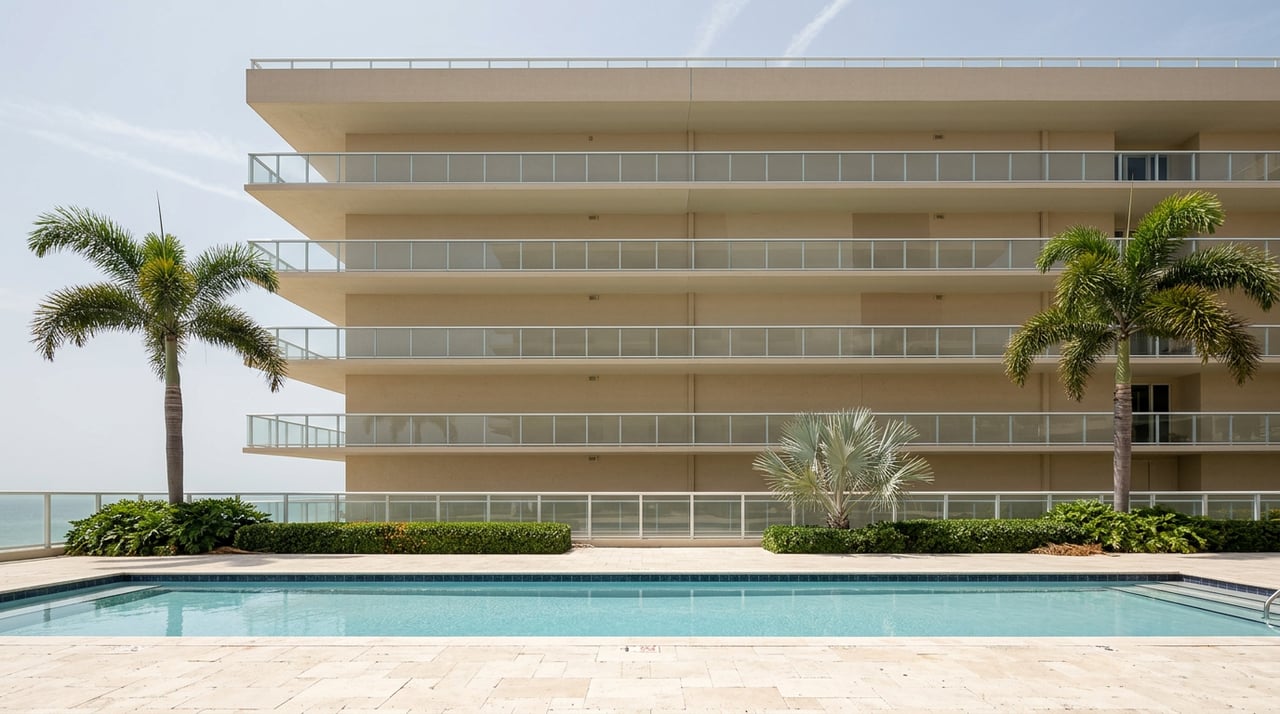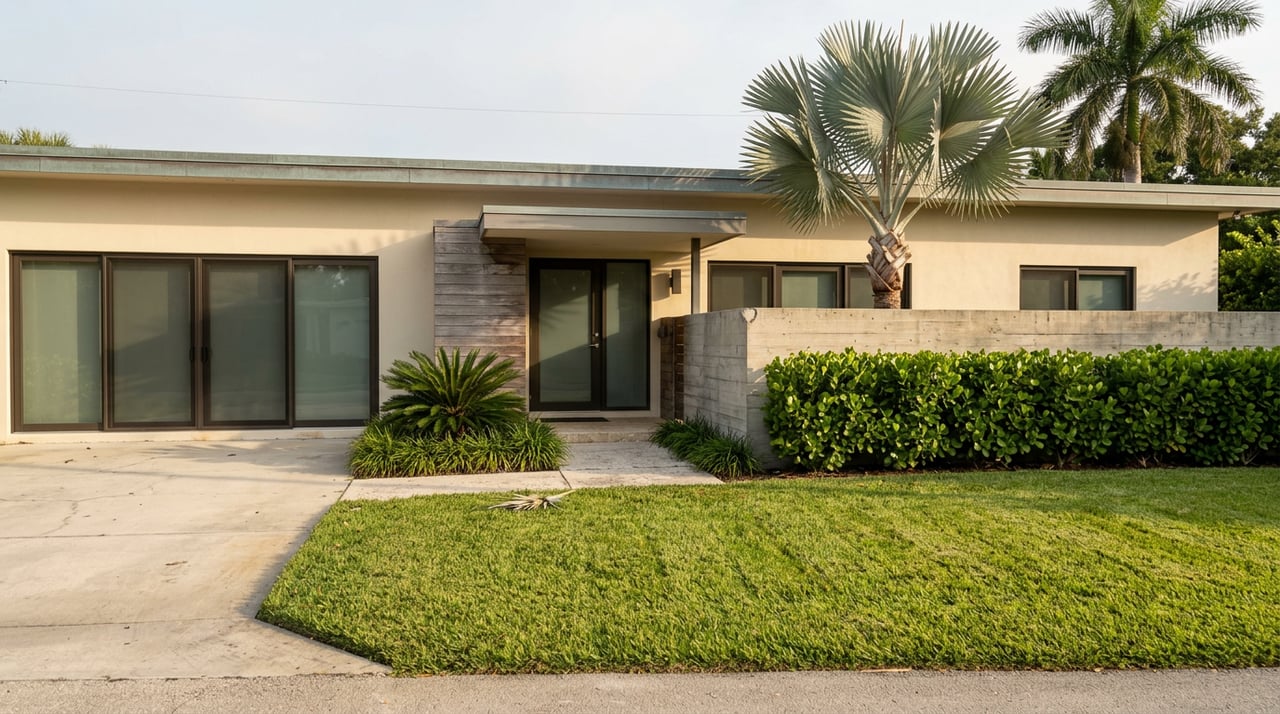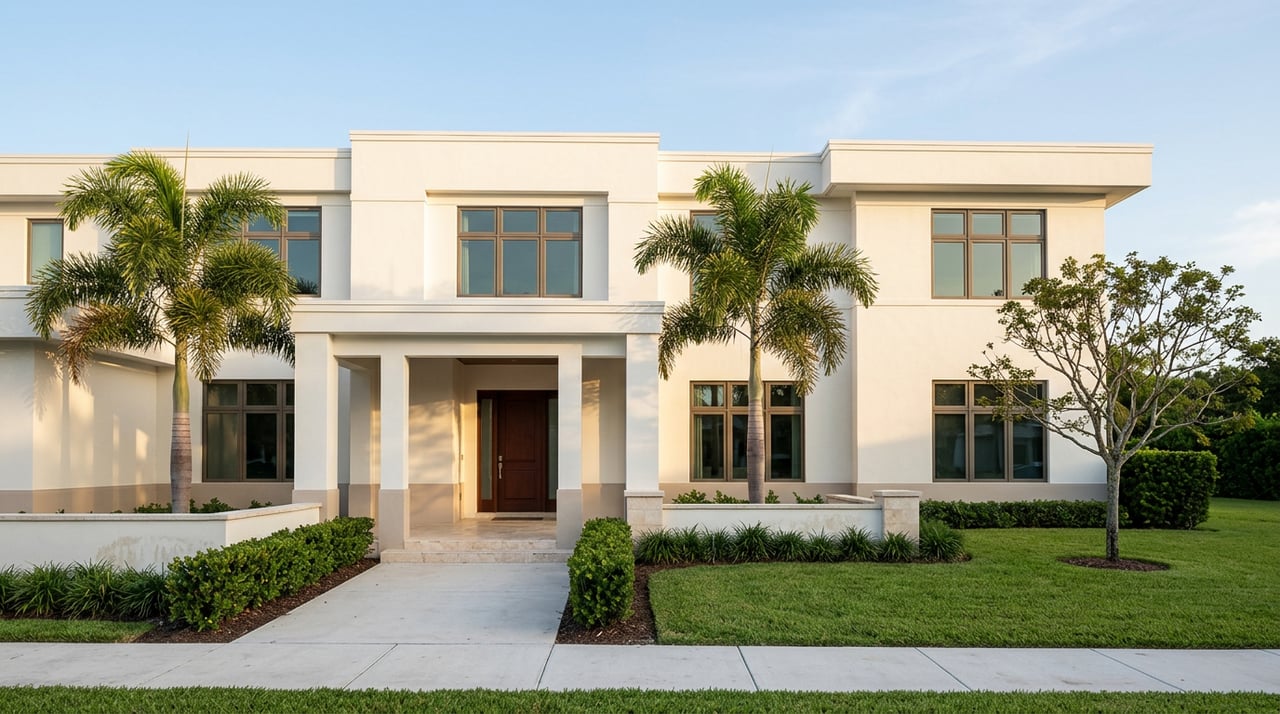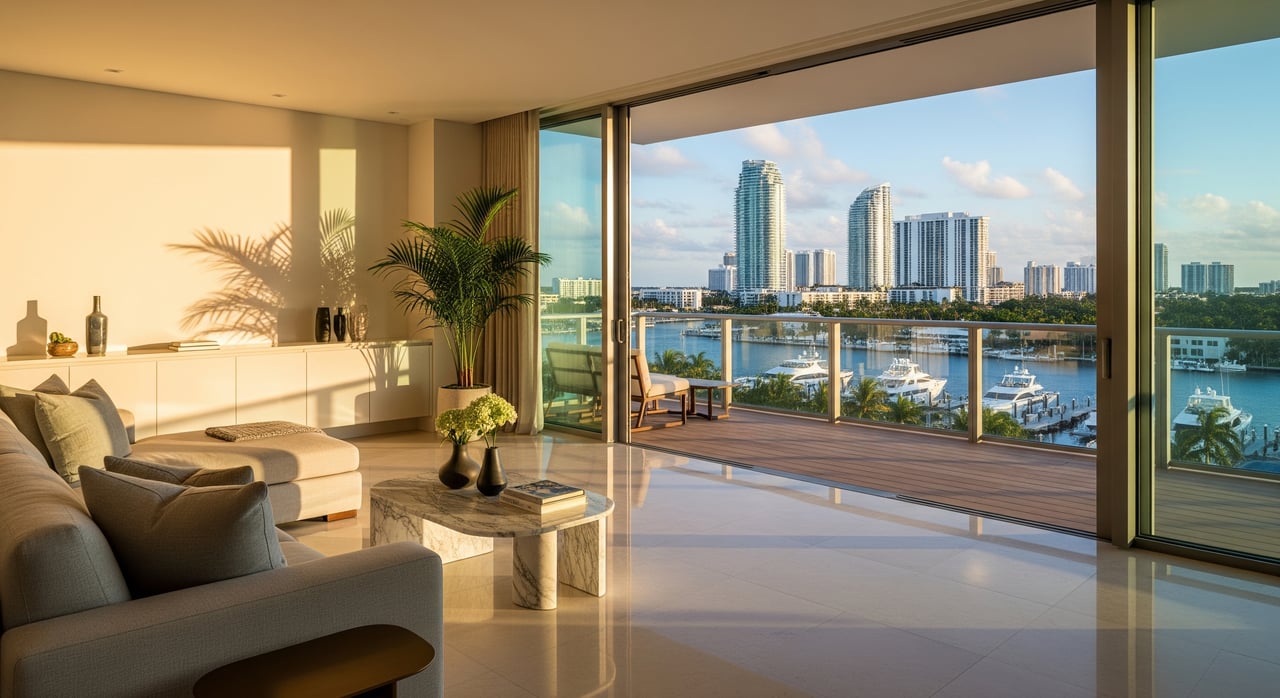
Is a downtown Fort Lauderdale condo right for you this year? If you are eyeing the riverfront, Las Olas, or a high-rise with water access, you are not alone. Demand has shifted in recent years, and carrying costs and building policies matter more than ever. In this guide, you will learn what is shaping value, what to watch in HOA budgets and insurance, and how to time a smart move as a buyer or seller. Let’s dive in.
Market snapshot: where demand is moving
Downtown Fort Lauderdale blends older mid-rise buildings with newer luxury towers along the New River, the Intracoastal, and Las Olas. Most listings are resales, while new deliveries tend to be high-end with premium finishes and lifestyle services. You will find everything from studios to large 4-bedroom residences, with strong interest in 1–2 bedroom units for primary living, downsizing, or second homes.
Buyers cluster into three tiers. The upper-luxury tier includes waterfront penthouses and new towers that appeal to second-home and out-of-state buyers. The mid-market focuses on renovated units or well-located older buildings. Entry-level buyers and investors often target smaller units in older towers with fewer amenities.
After the 2020–2022 surge, the market moderated through 2023 and into mid-2024 as interest rates rose. Price growth slowed and days on market increased from the peaks, although premium waterfront and new luxury product often held value better. Keep an eye on months of supply, new project deliveries, and downtown employment and office occupancy trends, since office-to-residential conversions can affect demand.
Amenities shaping value
Amenities influence both pricing and monthly fees. The features below tend to draw the most interest downtown:
- Outdoor space. Balconies, terraces, rooftop lounges, and shaded seating areas add everyday value.
- Fitness and wellness. Full gyms, yoga space, spa areas, and wellness programs appeal to year-round and seasonal owners.
- Work-from-home support. Co-working lounges, business centers, and reliable building Wi-Fi help hybrid schedules.
- Water access. Private docks, boat slips, and easy access to the Intracoastal and river carry meaningful premiums.
- Smart tech and sustainability. EV charging, package lockers, contactless entry, and efficiency upgrades are rising in importance.
- Concierge services. 24/7 front desk, valet, on-site management, and curated resident events set newer towers apart.
- Pet and storage options. Pet areas and extra storage differentiate buildings for many buyers.
New developments often package rooftop pools, dining partnerships, and private access features into a lifestyle-focused offer. Adaptive reuse and conversion projects may also appear, which can be unique but come with distinct maintenance profiles.
HOA fees and what drives them
Monthly HOA fees in downtown Fort Lauderdale vary widely. Older, low-amenity buildings usually have lower fees. High-amenity waterfront towers with staff and marina facilities tend to have higher fees. In general, fees cover:
- Common area upkeep and utilities for lobbies, elevators, pools, and landscaping
- On-site staff like management, concierge, maintenance, and security
- Building insurance under the master policy
- Reserve fund contributions for future repairs
- Amenity operations and any debt or special assessments
What pushes fees higher? Extensive amenities and staffing, waterfront maintenance and seawalls, higher wind and flood insurance premiums, and low reserves that require larger contributions. For an accurate picture, review disclosures for the specific building you are considering rather than relying on broad averages.
Insurance and flood risk: plan for total carrying costs
Two policies shape your total risk and cost: the association’s master policy and your personal HO-6 policy. Your HO-6 covers interior finishes, personal property, and often loss assessment.
Coastal Broward properties face wind and flood exposure. Flood zone location and storm surge risk can increase premiums and may require private flood coverage beyond the NFIP. Windstorm and reinsurance costs have risen across South Florida. Associations sometimes pass increases through to owners or adjust budgets.
- To check flood zones and base flood elevation, use the FEMA Flood Map Service Center. You can view maps and property-level details directly on the official portal through the FEMA Flood Map Service Center.
- For statewide context on insurance trends and consumer guidance, review resources from the Florida Office of Insurance Regulation.
The takeaway is simple. Model insurance carefully when you compare buildings. A unit with a lower price can still carry a higher monthly cost if the master policy has jumped or if flood risk is significant.
Building health, reserves, and special assessments
Reserve studies are critical. A recent, independent reserve study shows how well the association is planning for elevators, roofs, façades, and other major items. A lack of recent study is a red flag.
After the 2021 Surfside tragedy, there is more focus on building safety and financial readiness for coastal condos. Some associations now face required inspections or capital projects that can lead to large special assessments. Before you write an offer, review meeting minutes, budgets, and any notices to owners to understand what is planned or pending.
Common early warning signs include low reserves compared to recommended levels, deferred maintenance, and discussions about elevator or seawall work without a clear funding plan.
Resale value and what lenders will ask
Several factors influence resale value in downtown:
- Location in the core. Waterfront, walkability to Las Olas, and proximity to dining and transit boost appeal.
- Building condition. Up-to-date building envelopes and modernized elevators make a sale smoother.
- Financial health. Strong reserves and no pending litigation tend to help both pricing and financing.
- Unit features. Private outdoor space, in-unit laundry, and upgraded kitchens and baths are high-impact.
- Rental policy and mix. Clear and balanced rental rules help owner-occupier demand and can support conventional lending.
Lenders also evaluate the building itself. FHA, VA, and many conventional lenders require project-level approval. High investor concentrations or pending litigation can restrict loan options or require larger down payments. In today’s environment, many lenders scrutinize reserves and insurance more closely, so ask your lender for a condominium questionnaire early and get pre-approved with the project in mind.
Rental rules and short-term stays
City and county regulations, along with each building’s bylaws, govern rentals and short-term stays. Many associations set minimum lease terms or waiting periods for new owners. Clear, consistent policies help resale, but strict limits can reduce some buyer pools. If you plan to rent for income, confirm the rules in writing and understand how many leases are allowed per year, any waiting periods, and approval timelines.
Timing your move and negotiating smart
If the market is cooling, you may have room to negotiate price and request seller credits for assessments or repairs. Buyers should always review the HOA budget, reserve study, meeting minutes, insurance certificates, and any inspection reports during the contingency period. Ask for clarity on known projects and assessments.
For sellers, disclosure and preparation are your edge. Bring recent budgets, reserve studies, and engineering reports to the forefront. If major projects are complete and paid, highlight that. Be ready with lender questionnaires and responses, especially if your building is popular with FHA, VA, or conventional borrowers who require project approvals.
Due diligence checklist for downtown condos
Request and review these items for any downtown Fort Lauderdale condo:
- Current HOA budget and most recent audited financials
- Reserve study and schedule of planned capital projects
- HOA board meeting minutes for the last 12 to 24 months
- Association certificate of insurance and summary of the master policy
- Governing documents, including bylaws, declaration, and rules and regulations
- Notices to owners about assessments, special meetings, or lawsuits
- Unit-level items, such as the owner’s current fee statement and any violations
- Building inspection records, elevator inspection, and any engineering reports
Key questions to ask management:
- Are there pending or recent special assessments? For what items?
- What is the reserve balance compared to the recommended level?
- What is the annual turnover rate of units?
- What share of units are owner-occupied versus rented?
- Are there any pending claims or lawsuits?
- What are the rules for leasing and short-term rentals?
Local data sources to monitor
- Broward County Property Appraiser for historical sales and parcel details
- Broward County Building Division for inspection and recertification requirements
- FEMA Flood Map Service Center for flood zones and base flood elevation
- Florida Office of Insurance Regulation for statewide insurance developments
- Florida Realtors and Greater Fort Lauderdale REALTORS for market data on sales, prices, and inventory
- Local news outlets for project approvals, major building news, and insurance updates
Key risks and watch items
- Post-Surfside inspections and capital requirements that can trigger assessments
- Insurance volatility for wind and flood that can raise carrying costs
- New luxury supply that may shift buyer attention within price bands
- Lending constraints tied to investor ratios and project eligibility
- Flood zone exposure and sea-level rise implications for waterfront holdings
How to position your purchase or sale
- Define your must-haves. Outdoor space, water access, work-from-home features, and parking all affect price and fees.
- Budget for total cost. Model HOA fees, insurance, assessments, and reserves alongside your mortgage.
- Verify the building’s health. Read budgets, minutes, reserve studies, and insurance certificates before the offer period ends.
- Align financing early. Use a lender familiar with downtown condo approvals and get pre-approved with project eligibility in mind.
- Prepare your exit. Choose properties with clear rental policies, strong reserves, and recent capital work to support future resale.
If you want a clear, data-informed plan for your next move downtown, connect with an advisor who understands HOA governance, insurance dynamics, and lifestyle tradeoffs. Reach out to Hasnaa Boutros PA for consultative guidance tailored to your goals.
FAQs
How much do HOA fees run for downtown Fort Lauderdale condos?
- Fees vary by building; low-amenity older buildings tend to be lower, while waterfront and high-amenity towers with staff and marinas carry higher monthly costs due to operations, insurance, and reserves.
How do flood and wind insurance affect my condo carrying costs?
- The association’s master policy and your HO-6 policy both impact total cost; flood zone and wind exposure can raise premiums, so review the master policy and check your flood zone with the FEMA map.
Are new luxury condo projects affecting older building resale values?
- New towers draw demand with amenities and finishes, which can set pricing benchmarks; older buildings stay competitive when they offer strong reserves, updated systems, and renovated units.
What should I review in an HOA packet before making an offer?
- Examine the current budget, audited financials, reserve study, meeting minutes, insurance certificates, governing documents, and any notices about litigation or assessments.
Can I use FHA or VA financing for a downtown condo?
- It depends on project eligibility; many lenders require specific ratios and documentation, so confirm building approval with your lender early and obtain a condo questionnaire.
How common are special assessments in coastal condos?
- They can occur when reserves are low, insurance costs rise, or capital projects are required; recent reserve studies and meeting minutes are the best early indicators.