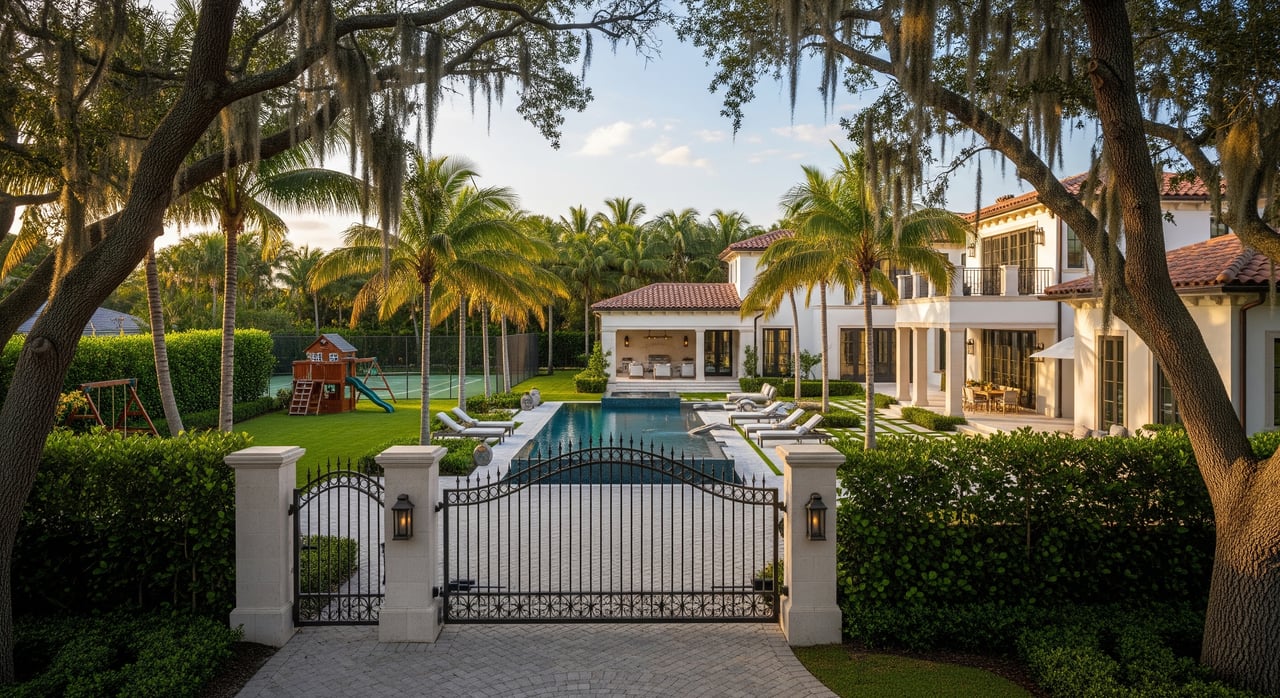
Looking for more space, privacy, and a community that feels built for families? If Parkland has caught your eye, you are not alone. This northern Broward city blends estate-style neighborhoods, gated entries, and an active parks and recreation culture that many families value. In this guide, you will learn how Parkland’s gated and estate communities work, what family lifestyle looks like day to day, and practical steps to decide if it fits your long-term goals. Let’s dive in.
Why Parkland appeals to families
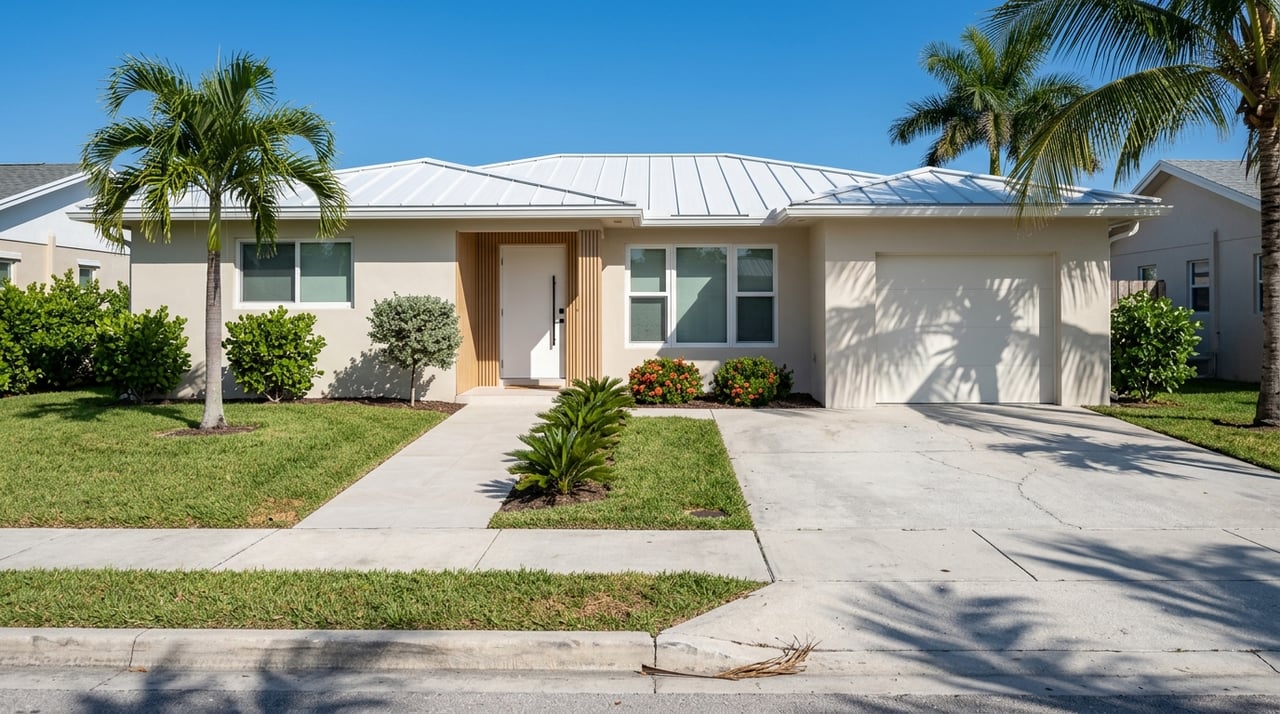
Parkland sits in northern Broward County within the Fort Lauderdale–Pompano Beach–Deerfield Beach metro. The city is largely residential, with tree-lined streets, larger lots, and a low-density feel compared with more urban parts of the region. Many buyers come for privacy, yard space, and neighborhood amenities that support active family life.
You will find a strong emphasis on parks, trails, and greenways. Shopping and dining hubs are nearby in Coral Springs, Coconut Creek, and along major corridors, but inside city limits the focus stays on homes and recreation. If you want a suburban lifestyle with room to grow, Parkland belongs on your list.
Gated and estate communities at a glance
Parkland offers a mix of guard-gated neighborhoods and estate enclaves. Communities vary widely in size, amenities, and fee structure, so it helps to understand the common types and what to expect as you tour.
Types of gated and estate neighborhoods
- Amenity-rich master-planned communities. Think country-club style living with clubhouses, pools, fitness centers, tennis, and programmed activities. Some include on-site golf.
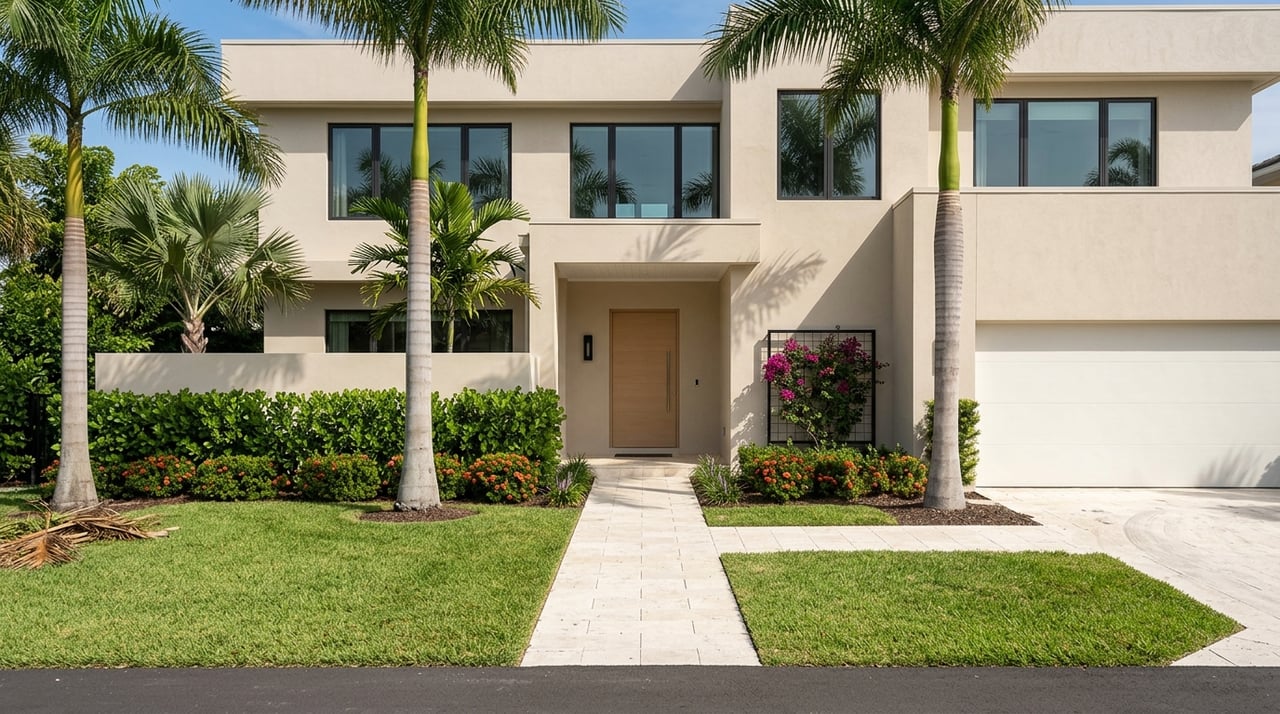
- Guard-gated luxury enclaves. Primarily single-family estate homes on larger lots with architectural standards and curated streetscapes.
- Equestrian and large-lot areas. On the western edges of Parkland, you will find properties that accommodate hobby riding and more expansive grounds.
- Smaller private subdivisions. Intimate gated streets with a community pool or park, fewer commercial amenities, and a tighter-knit feel.
Examples you may hear about include large master-planned communities like Heron Bay, as well as club communities such as Parkland Golf & Country Club. Always verify current boundaries, membership structures, and amenities with the HOA or management office during your search.
Common features buyers value
- Controlled access. Guarded or monitored gates, visitor protocols, and electronic access systems.
- On-site recreation. Pools, clubhouses, tennis or pickleball, fitness centers, playgrounds, trails, and children’s programs.
- Design standards. Architectural review and covenants that preserve neighborhood character.
- Space. Larger lots and home footprints than many non-gated areas.
Gates provide controlled access, but they are not a substitute for personal security practices. Ask about gate staffing hours, guest policies, and historical incident information as part of your due diligence.
HOAs, memberships, and fees
Most Parkland gated neighborhoods have a homeowners association. Dues may cover security staffing, landscaping of common areas, amenities, reserves, and management. Some club communities layer optional or mandatory club memberships on top of the HOA, sometimes with initiation fees. Before you fall in love with a home, clarify what is included, what is optional, and the total monthly and annual carrying costs.
Touring and due diligence checklist
A focused checklist helps you compare communities and protect your budget.
Governance and security
- Documents. Request CC&Rs, Bylaws, rules, and recent HOA meeting minutes.
- Reserves and assessments. Review reserve studies and any recent or pending special assessments.
- Gate operations. Confirm staffing hours, security vendor, guest and vendor protocols, and delivery procedures.
Property and infrastructure
- Lot and layout. Verify exact lot size, easements, protected trees, or conservation limits that affect expansion.
- Systems. Ask about roof age, HVAC and major systems, and any warranties or recent upgrades like impact windows or generators.
- Utilities. Confirm water and sewer connections, irrigation setup, and whether streets, lighting, or landscaping are privately maintained.
Finances and insurance
- Total monthly cost. Add HOA dues, any club membership, property taxes, and insurance.
- Insurance quotes. Obtain homeowners, windstorm, and flood quotes early, especially for estate-size homes with higher replacement costs.
- Market context. Review recent comparable sales, days on market, and price trends within the same community.
Lifestyle fit
- Amenities and programs. Clarify which amenities are included, which are fee-based, and any youth or seasonal programs offered.
- Commuting. Map drive times to work, airports, and activity hubs. Test the route during your typical commute window.
- Daily conveniences. Note proximity to groceries, healthcare, and extracurriculars you rely on.
Schools and education in Parkland
Parkland is served by Broward County Public Schools. Attendance zones can change, so always verify assignments with the district boundary tool and the specific listing address. Middle and elementary school assignments vary by neighborhood.
Marjory Stoneman Douglas High School is located in Parkland. For middle and elementary levels, your address will guide assignments and potential bus routes. Families often evaluate extracurriculars, advanced coursework, arts and STEM programs, and aftercare availability alongside test data. If you are considering specialized programs, confirm application timelines and feeder patterns.
Private school options are accessible across the Fort Lauderdale and Boca Raton area. Examples include Pine Crest School and St. Thomas Aquinas High School in Fort Lauderdale, among other independent and faith-based institutions. Availability, transportation, and commute times will vary by neighborhood, so work these into your planning.
Parks, recreation, and daily living
Parkland’s identity is closely tied to parks and outdoor spaces. You will find multi-use fields, playgrounds, walking paths, and event venues integrated into city life.
Parks and trails
Pine Trails Park is a principal city park with sports fields, walking trails, playgrounds, and event space. Beyond city facilities, many gated communities include pools, courts, and greenways that support an active lifestyle. If you enjoy biking or jogging, look for neighborhoods with interior trail networks or wide sidewalks.
Community programming
Parkland and local HOAs host seasonal festivals, farmers markets, holiday programs, and youth camps. Parks and Recreation leagues, Scouts, service clubs, and faith-based youth programs provide ways to get involved. Country club communities often add team sports, clinics, and summer camps, which can make school breaks easier to plan.
Shopping, dining, and commutes
Parkland is primarily residential, with retail and dining concentrated near major arterials and in nearby cities like Coral Springs and Coconut Creek. Expect short drives for most errands. For commuting, major roadways within the region include the Sawgrass Expressway, Florida’s Turnpike, and I-95. Drive times depend on your destination and time of day, so test real-world routes to Fort Lauderdale, Boca Raton, or Miami employment centers.
Risk, insurance, and resilience
South Florida living requires a practical plan for weather and insurance. Windstorm coverage is essential and may be separate from a standard homeowners policy. Even inland properties can fall within FEMA flood zones or local drainage areas. Check flood maps, elevation certificates, and any history of water intrusion.
Ask about hurricane mitigation features such as impact windows, roof age and type, strapped trusses, and generator setups. Clarify whether the HOA has community-level mitigation or requirements for home improvements. For estate properties with larger roofs and higher finishes, verify replacement cost assumptions with your insurance provider.
Costs and resale considerations
Gated and club communities can carry higher ongoing costs than non-gated neighborhoods. Factor in HOA dues, possible club initiation and membership fees, property taxes, landscape upkeep, and insurance. These costs can vary significantly from one community to another.
On the resale side, estate homes and gated properties often command premiums based on lot size, privacy, and amenities. The buyer pool can be more specific due to price points and lifestyle preferences. Work with a local advisor to track comparable sales within the same gates and to understand how time on market, inventory, and seasonality may impact your strategy.
Is Parkland the right fit for your family?
If you want a quieter suburban setting with strong parks and recreation, larger homes, and guard-gated options, Parkland delivers. The tradeoffs are longer drives for errands or commutes in some cases and layered HOA or club costs for amenity-rich living. The key is matching your must-haves to the right community and confirming the total cost of ownership.
Outline your non-negotiables, test daily routines, and dig into HOA governance and budgets. Parkland offers a range of choices, from intimate gated streets to full-service club environments. With a clear plan, you can balance privacy, amenities, and value.
How we help families evaluate Parkland
Choosing a gated community is both a lifestyle and financial decision. You deserve an advisor who understands HOA governance, budget health, insurance realities, and long-term resale dynamics. With local market expertise, property and association management experience, and the global reach of a premier brand, you get a consultative approach that protects value and simplifies the process.
Whether you are buying or selling, we can help you evaluate communities, analyze costs, confirm school and amenity fit, and position your move with confidence. Ready to explore Parkland? Connect with Hasnaa Boutros PA for tailored guidance.
FAQs
What types of gated communities are in Parkland?
- Parkland includes master-planned club communities with extensive amenities, guard-gated luxury enclaves on larger lots, smaller private subdivisions, and equestrian or large-lot areas on the city’s western side.
How do HOA dues and club fees typically work in Parkland?
- Most gated neighborhoods have HOA dues that fund security, common areas, and reserves. Some club communities add separate memberships, sometimes with initiation fees. Always verify what is included and the total monthly and annual costs.
Which public schools serve Parkland addresses?
- Parkland is served by Broward County Public Schools. Marjory Stoneman Douglas High School is in Parkland, and middle and elementary assignments vary by neighborhood. Confirm current boundaries with the district before making decisions.
What family amenities should I expect inside the gates?
- Many communities offer pools, clubhouses, fitness centers, tennis or pickleball courts, playgrounds, trails, and youth programming. Check which amenities are included versus fee-based and whether programs run seasonally or year-round.
Are Parkland homes at risk for flooding even though the city is inland?
- Some properties can still be in FEMA flood zones or local drainage areas. Review flood maps, ask for an elevation certificate if needed, and get quotes for flood insurance as part of your due diligence.
What should I evaluate about security in a gated community?
- Gated entries provide controlled access, but policies differ. Ask about staffing hours, electronic access, guest and vendor procedures, and available historical incident information from local authorities or the HOA.
What are typical commute options from Parkland?
- Common routes include the Sawgrass Expressway, Florida’s Turnpike, and I-95 within the region. Drive times depend on destination and time of day, so test your commute to workplaces in Fort Lauderdale, Boca Raton, or Miami during peak hours.