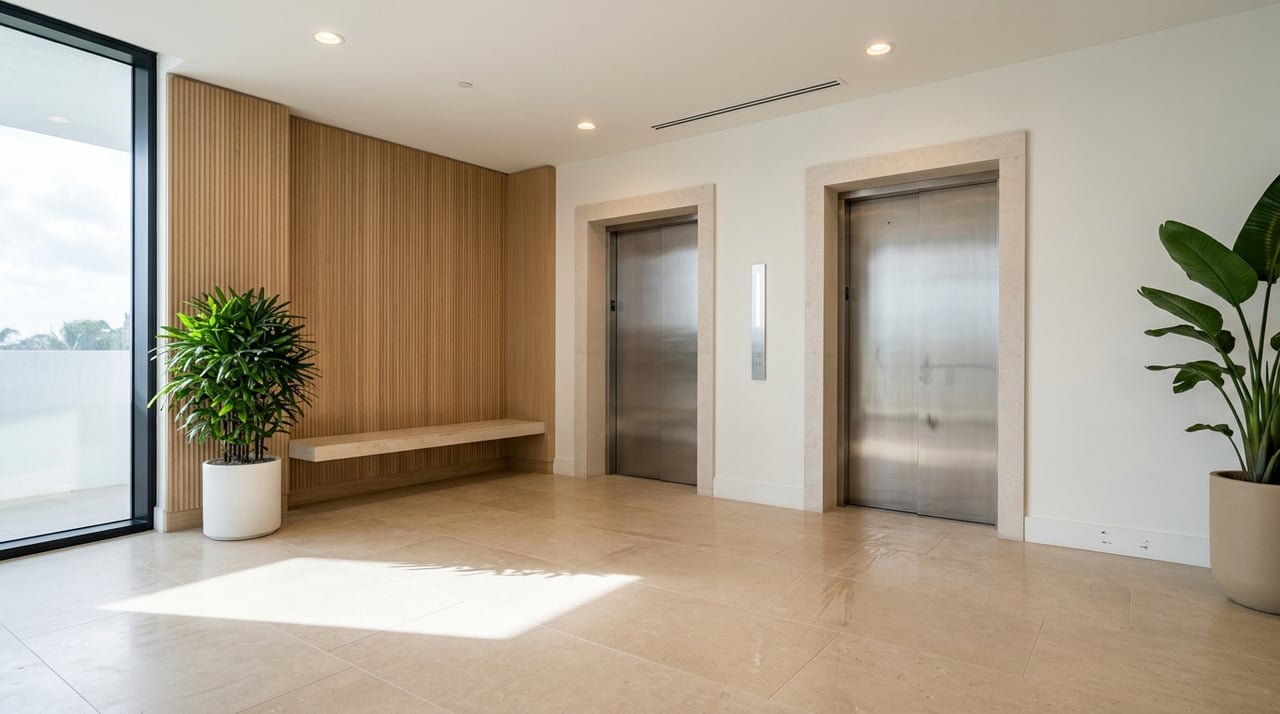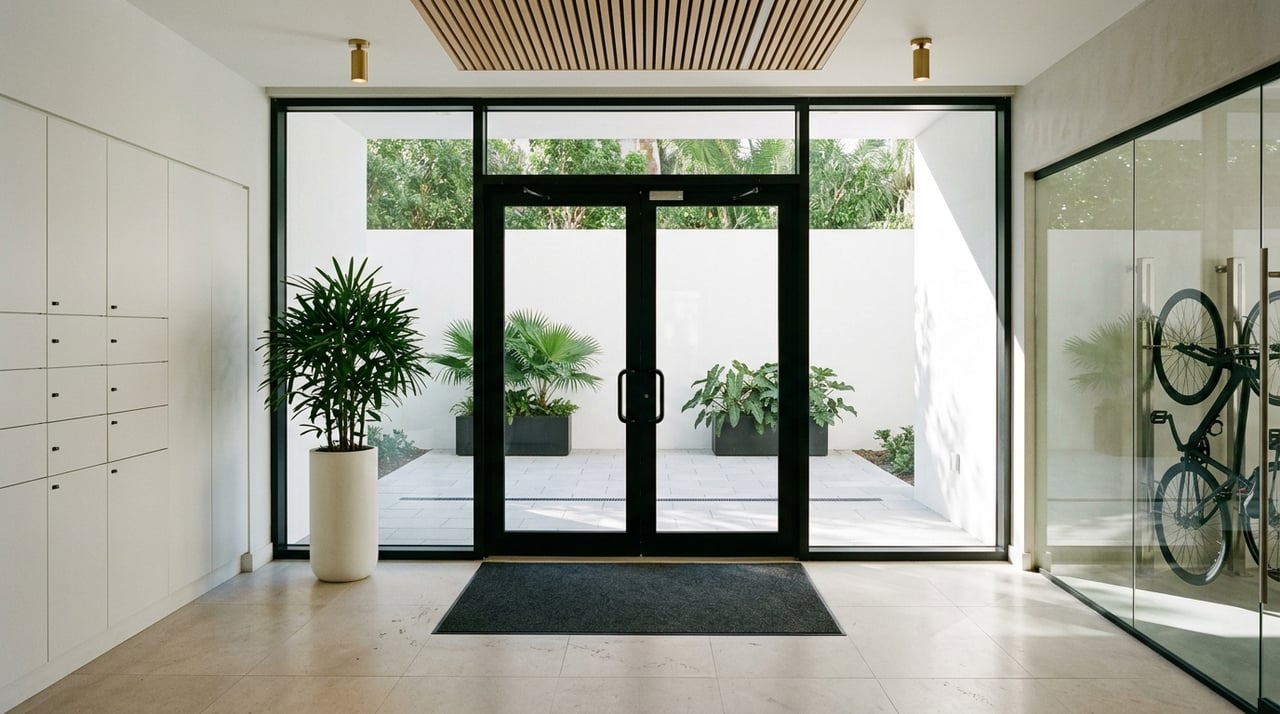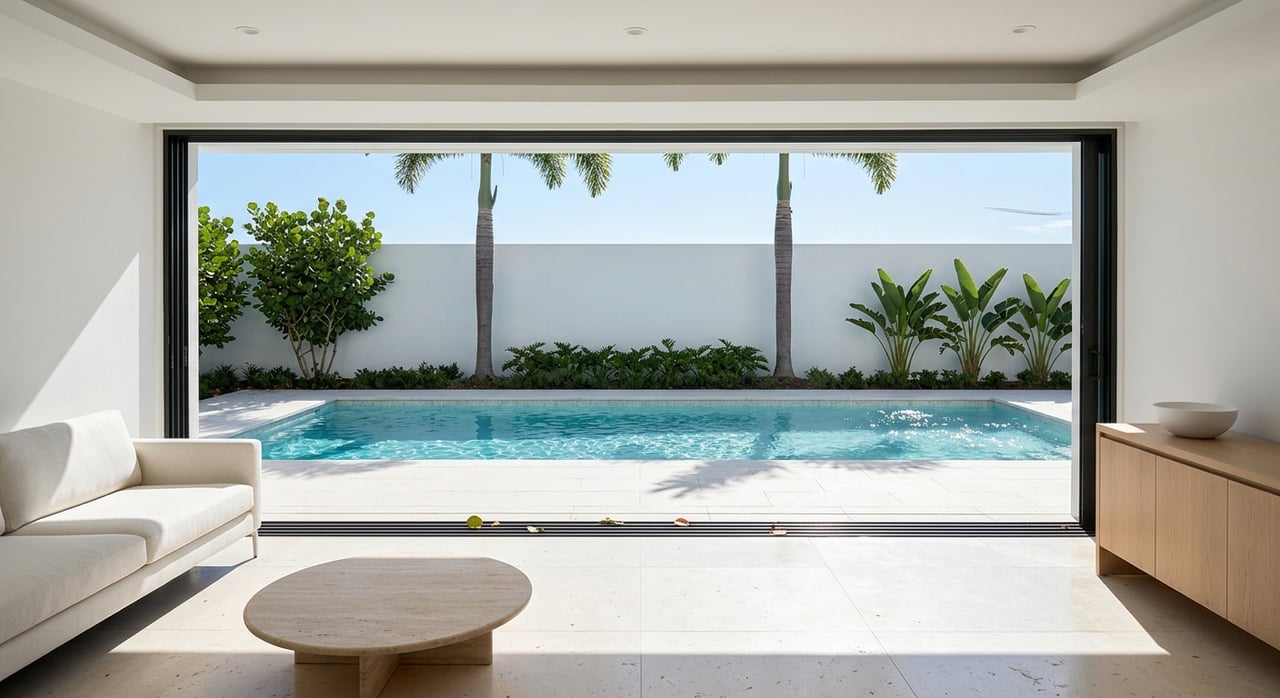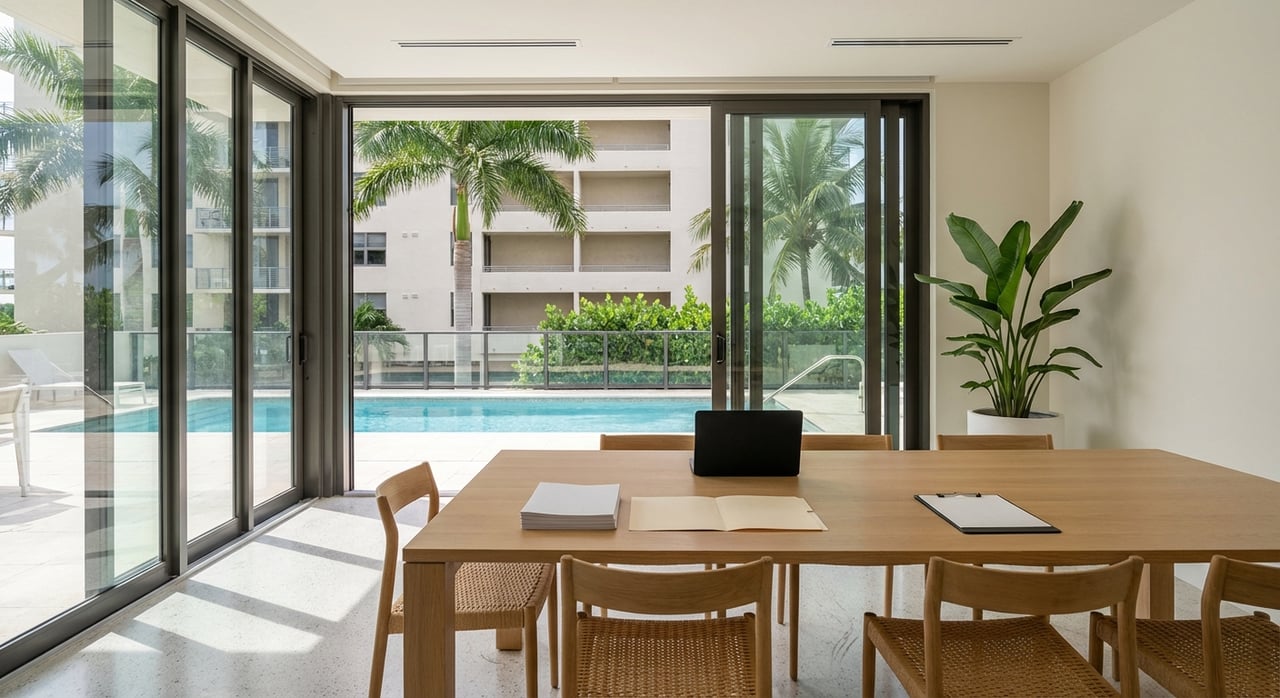
You fall in love with the ocean the minute you step onto Galt Ocean Mile. But the smartest condo buys here look past the waterline. Age, new Florida safety rules, insurance shifts, and lender scrutiny can all affect what you pay each month and whether your loan gets approved. In this guide, you will learn how to size up a building’s condition, finances, insurance, and governance so your view comes with confidence. Let’s dive in.
Why look beyond the ocean view
Many Galt Ocean Mile towers date from the mid‑20th century through the 1990s. That timing matters because older buildings often face structural inspections, concrete restoration, balcony work, roof projects, and waterproofing that can lead to higher monthly fees or special assessments. Florida now requires milestone structural inspections for buildings three stories or higher and ongoing structural‑integrity reserve studies. These rules help protect residents, and they also shape budgets and timelines for repairs. Lenders also review building health, so a project’s reports and reserves can affect your ability to get a conventional loan.
Area amenities continue to improve, including new hospitality additions like The Garden Hotel, which signals long‑term investment in the neighborhood. Still, building‑level safety, reserves, and insurance remain the key drivers of your total cost of ownership. A little due diligence now can save you stress and money later.
Building condition: what to request
Start by asking for the building’s official inspection and engineering reports. Florida’s milestone inspection law sets a two‑step process. Phase 1 is a visual review of the structure, and Phase 2 follows only if substantial deterioration is suspected. Always request the latest milestone report and any Phase 2 findings, plus proof of permitted repairs and closeouts.
- Ask for the most recent milestone inspection reports and any progress updates. Review conclusions and timelines. See Florida’s milestone framework for context in Chapter 553 of the Florida Statutes.
- Request the Structural Integrity Reserve Study (SIRS), which identifies major structural items and a recommended funding plan. The SIRS drives required reserve funding for structural components. Learn what must be included in Florida Statute 718.112.
- Verify permits and completion documents for any restoration, balcony, façade, garage, roof, or waterproofing work. Broward’s Building Safety Inspection Program lists properties, due dates, and submissions. Check the county page for status and guidance at the Broward BSIP portal.
SIRS and reserves in plain language
The SIRS looks at key structural systems like roof, primary structure, fire safety, plumbing, electrical, and waterproofing. It estimates useful life and replacement cost, then recommends how much the association should set aside each year. For buildings subject to SIRS, Florida limits the ability to waive or reduce funding for those structural items. That means you want to see that the budget lines up with the SIRS schedule.
Red flags in condition reports
- An open Phase 2 milestone with major work and no funded plan.
- No SIRS when one is required, or a SIRS showing big near‑term repairs with little to no reserve funding.
- Expired or open permits, stop‑work orders, or contractor disputes with no path to completion.
Financial health: budgets, reserves, and assessments
Strong buildings have transparent budgets and real reserves. Ask for the current budget and the most recent year‑end financials. Compare the actual reserve contributions to the SIRS recommendations. If the gap is large, expect either higher monthly fees or special assessments.
- Review the budget, reserve balances, and whether the plan follows the SIRS schedule. The reserve‑funding rules are detailed in Florida Statute 718.112.
- Ask for a list of recent and planned special assessments, including purpose, per‑unit amounts, and payment timelines. The handling of assessments and liens is governed by Florida Statute 718.116.
- Request master insurance declarations and any recent claim history. Associations must keep current insurance policies in their official records, as outlined in Florida Statute 718.111.
Insurance costs have risen for many Florida condos since 2021. Market reports note that boards facing new reserve requirements and insurance changes are seeing pressure on budgets, which can affect sales and pricing. For wider context on how reserve compliance is impacting markets, see this regional overview from Bisnow on reserve study compliance and values.
Insurance, flood, and lender eligibility
Master policies and deductibles directly affect your risk. Confirm the insurer name, policy limits, per‑loss deductible, and wind or hurricane deductible type. Ask if any recent nonrenewals occurred or if coverage has exclusions tied to pending repairs. Associations must maintain insurance records and provide access as part of their official records under Florida Statute 718.111.
Flood coverage is usually separate from the master policy. Check your exact flood zone and local maps through the FEMA Flood Map Service Center and budget for flood insurance as needed.
If you plan to finance, confirm the project’s eligibility for conventional loans early. Lenders apply project standards that evaluate reserves, insurance, and critical repairs. Learn how lenders assess condos in Fannie Mae’s project standards. Some projects nationwide may be limited or ineligible for secondary market buyers, which can narrow the buyer pool and push sales toward cash. For background on this market effect, see this Boston Globe overview of project eligibility scrutiny.
Industry updates also show insurers adjusting pricing and terms across Florida, which can push associations to revisit budgets or seek new carriers. For a snapshot of the shifting insurance backdrop, see regional coverage from Insurance Journal.
Governance, rentals, and records
Strong governance reduces surprises. Florida sets clear rules for association records and access. You can request the declaration, bylaws, budgets, minutes, insurance policies, contracts, bids, SIRS and milestone reports, and more. Official records and access requirements appear in Florida Statute 718.111.
If you plan to rent your condo, read the declaration and amendments. Lease restrictions adopted later can bind only owners who consented or those who purchased after the change, depending on the language. Study the recorded documents and timing. Learn more about how amendments to condominium documents work in Florida Statute 718.110.
Before closing, require a resale or estoppel certificate that states current balances, unpaid assessments, and any pending special assessments. Florida law sets fee caps and timelines for associations to deliver these certificates. For a statutory overview of estoppel timing and fees under Florida association law, see the state’s resource on resale and estoppel certificates.
Your Galt Ocean buyer checklist
Use this quick list when you tour, submit an offer, or enter your inspection period. Ask your agent to build these into your contingencies and deadlines.
- Milestone inspections: latest Phase 1 and any Phase 2 reports, plus proof of permitted or completed repairs.
- SIRS and reserve plan: sealed SIRS, reserve balances, and current budget contributions versus the SIRS schedule.
- Permits and closeouts: list of open or recent permits, stop‑work orders, and final inspections, checked against the Broward BSIP portal.
- Financials: current budget, most recent year‑end financials, and a summary of any special assessments or association loans.
- Insurance: master policy declarations, wind or hurricane deductible details, flood coverage status, and five‑year claims history if available.
- Governance: last 12–24 months of board minutes, litigation summary, and a current management contract or major vendor bids.
- Resale/estoppel certificate: dated and signed, showing any balances due and pending assessments.
- Financing: lender confirmation that the project is eligible for conventional financing if you plan to use a mortgage.
Local context: Galt Ocean right now
Galt Ocean Mile is a classic oceanfront corridor with many mid‑century towers, thoughtful amenities, and a walkable beachfront lifestyle. New projects like The Garden Hotel on the Galt Mile reflect continued investment in the neighborhood experience. At the same time, Florida’s inspection and reserve timelines are pushing many buildings to fund structural work now. The best buys balance lifestyle, a healthy reserve plan, and stable insurance so your monthly costs stay predictable.
How I help you buy smart
You deserve a beachfront home that feels as good on the balance sheet as it does on the balcony. With experience in real estate, property management, and accounting, I help you read building reports, budgets, and insurance like a pro, then structure the right contingencies to protect your interests. If you want a Galt Ocean condo that is beautiful, safe, and financeable, let’s talk. Connect with Hasnaa Boutros PA to plan your next step.
FAQs
What should I check first when buying a Galt Ocean condo?
- Start with the building’s milestone inspection and SIRS, then verify permits, reserves, insurance declarations, and any special assessments before you focus on finishes or views.
How do milestone inspections affect my costs?
- If a Phase 2 inspection finds deterioration, required repairs can lead to higher monthly fees or special assessments, so always review reports and funding plans.
What is a SIRS and why does it matter?
- A Structural Integrity Reserve Study lists major structural components, estimates costs and timelines, and drives required reserve funding that directly impacts your future fees.
Can I get a conventional mortgage in any Galt Ocean building?
- Not always; lenders apply project standards for reserves, insurance, and critical repairs, so have your lender confirm project eligibility early in the process.
Do condo master policies include flood coverage?
- Typically no; master policies often exclude flood, so confirm coverage and check your unit’s flood zone through FEMA, then budget for separate flood insurance.
How do rental restrictions work if I plan to lease my unit?
- Lease rules live in the recorded declaration and amendments; later changes can bind only some owners, so read the documents and timing carefully before you buy.