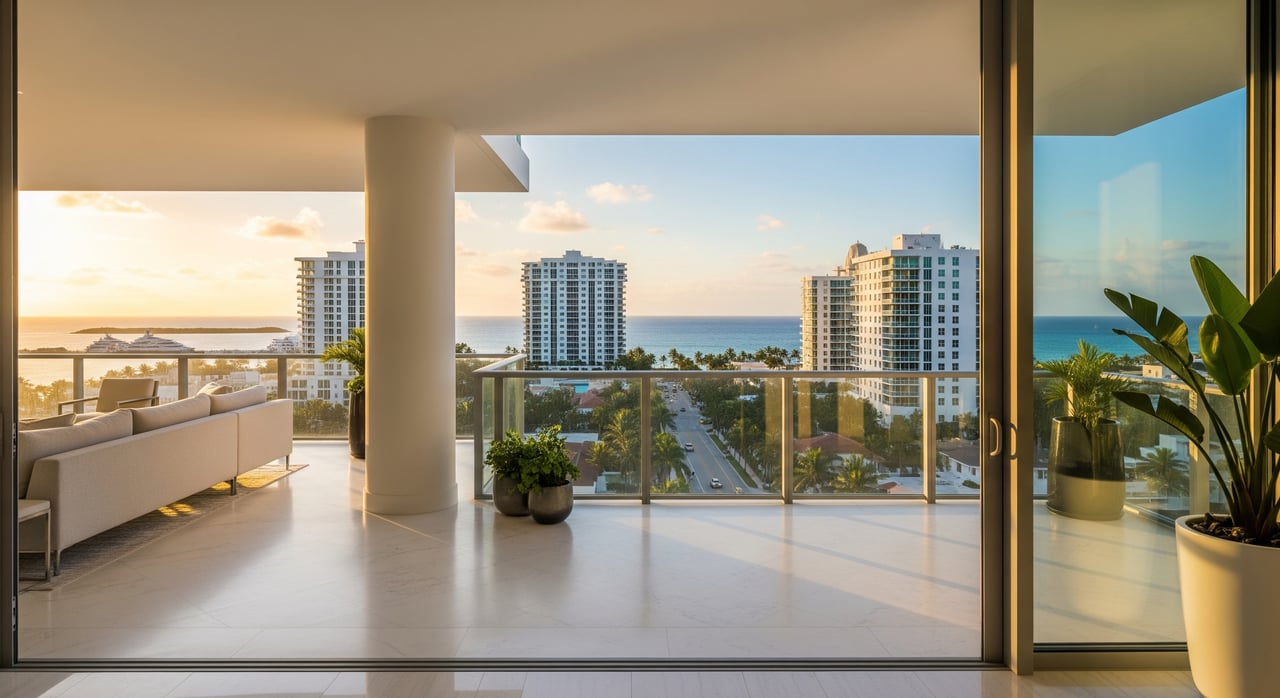
Buying a condo on Galt Ocean Mile and not sure how financing works? You’re not alone. Oceanfront towers in Broward come with extra lender questions that can slow you down or change your loan terms. In this guide, you’ll learn how warrantable vs. non-warrantable status, association documents, reserves, insurance, and lender choices shape your options. You’ll also get a clear plan to move forward with confidence. Let’s dive in.
Warrantable vs. non-warrantable
A condo building is considered warrantable when it meets the project standards used by conventional programs like Fannie Mae and Freddie Mac. That decision happens at the building level, not your individual unit. When a project is warrantable, you typically see more lender options, lower rates, and standard down payment paths.
A non-warrantable building is one that fails at least one of those project standards. You can still finance, but you may need a portfolio or specialty lender, or explore FHA or VA if the project qualifies. Expect tighter terms, higher down payment, and sometimes a longer approval path.
What lenders check in a building
Lenders review the association’s documentation to evaluate project risk. Common factors include:
- Owner-occupancy and investor concentration.
- Single-entity ownership concentration.
- Amount of commercial or non-residential space.
- Reserves funding and reserve policy.
- Material litigation involving the association.
- Developer control and completion status.
- Insurance coverage and deductibles for wind and flood.
- Physical condition and deferred maintenance.
- Compliance with state and local rules and inspections.
What non-warrantable means for you
If a project is non-warrantable, conventional options narrow. You may face a higher rate, larger down payment, and fewer lender choices. Some buyers consider FHA or VA if the project can be approved, but that process can take time. Appraisers and underwriters also weigh project issues when assessing value and marketability.
Why Galt Ocean Mile is unique
Many Galt Ocean Mile communities are oceanfront or near-beach towers built in the 1960s to 1980s. Age and salt-air exposure can raise underwriting questions about structural work, inspections, reserves, and insurance. After the 2021 Surfside tragedy, Florida increased building inspection and reserve transparency requirements, which means more scrutiny on older coastal high-rises.
Reserves and assessments
Reserves are the association’s savings for major capital items like roofs, elevators, and exteriors. Lenders want to see adequate funding and a realistic plan to maintain the property. Large or recent special assessments are a red flag because they can strain owner budgets and raise delinquency risk. If reserves are low or a big project is coming, expect deeper questions from underwriting.
Insurance essentials on the coast
Broward oceanfront condos must address two key risks: flood and wind/hurricane. If a building is in a Special Flood Hazard Area, lenders require flood insurance. Associations often carry master flood and wind policies, and lenders review coverage levels and deductibles. Clarity on what the master policy covers versus what your HO-6 policy should cover is important for closing.
The condo questionnaire
The condo questionnaire is the lender’s primary tool for project review. The HOA or management company completes it. It covers occupancy mix, investor or single-owner concentration, rental policies, commercial space, special assessments, litigation, insurance, and reserves. Turnaround often takes 1 to 3 weeks. If the project needs a full review or agency approval, budget extra time.
Documents to gather early
Request these at the offer stage or right after contract:
- Completed condo questionnaire from the HOA or manager.
- Latest budget, balance sheet, and income statements.
- Reserve study or written reserve policy and current funding levels.
- Board meeting minutes from the last 12 months.
- Governing documents: declaration, bylaws, articles, and rules.
- Certificates of insurance with coverage and deductible details.
- Management contract and contact information.
- Any past project reviews or FHA/VA status, if available.
Red flags that slow loans
Watch for issues that often lead to non-warrantable status:
- Active material litigation, especially construction or structural.
- Minimal or unfunded reserves and no funding plan.
- High investor concentration or large single-entity ownership.
- Significant commercial space or mixed-use beyond common limits.
- Insurance gaps or very high wind deductibles.
- Large or recent special assessments.
- Major deferred maintenance without a clear scope and timeline.
Financing paths that work
Different lender classes treat Galt Ocean Mile condos in different ways. Knowing who to call can save weeks.
Conventional loans
If the building is warrantable, a conventional loan often offers the best rate and terms. The lender will complete a project review, which usually includes the questionnaire and supporting documents. Timing depends on how quickly the association responds and how clean the file is.
Portfolio and specialty lenders
Portfolio lenders keep loans in-house and can finance many non-warrantable projects. Specialty condo lenders focus on Florida coastal buildings and understand Broward dynamics. Both can offer flexible solutions, though you may see higher rates, larger down payments, or additional reserves.
FHA and VA routes
FHA and VA financing can work for owner-occupants, but the condo typically needs program approval or case-by-case review. Expect more documentation and longer timelines. If you need speed, ask your lender about current approval status before you write the offer.
Private financing options
Private and hard-money lenders move fast and can bridge gaps when timing is tight or the project is challenging. Costs are higher, so many buyers use these options as a short-term solution while the association resolves issues.
Step-by-step game plan
Use this checklist to protect your timeline and budget:
- Request documents early. Ask for the latest budget, reserve study, insurance certificates, board minutes, and governing documents at or before contract.
- Pre-clear the questionnaire. Have the seller or HOA confirm who completes it and give you an expected turnaround date. Ask them to start immediately.
- Speak with multiple lenders. Contact a conventional lender, a local portfolio lender, and a specialty condo lender. Ask if they know the specific building or similar Galt Ocean Mile projects.
- Disclose known issues. Share any litigation, assessments, or low reserves with your lender on day one. Surprises create delays.
- Build in time. Write financing and inspection periods that reflect the questionnaire and potential project review. Consider longer deadlines if the building is older or complex.
- Keep flexibility. Cash or portfolio options can strengthen your offer if a project is borderline or non-warrantable.
- Engage local experts. A mortgage pro with Broward coastal experience, a Florida condo attorney, and an appraiser familiar with oceanfront towers can uncover solutions quickly.
Sample timeline
- Days 0 to 7: Contract signed. You request HOA documents and inform your lender.
- Days 7 to 21: HOA or management completes the condo questionnaire. Lender reviews and asks for supporting items.
- Days 21 to 35 and beyond: If the project requires a full conventional review or FHA/VA approval, add several weeks. Portfolio loans can be faster, but terms may be stricter.
Local checks you can run
You can increase certainty by pulling public information early:
- Broward County property records for building permits and major work history.
- FEMA flood maps and elevation information for flood zone insights.
- Florida DBPR resources for condominium oversight information.
- FHA and VA condominium approval lists to verify program status.
Final thoughts
Financing a Galt Ocean Mile condo is absolutely achievable. The key is to get building documents early, choose lenders who know Broward coastal condos, and plan for added review time when a tower is older or undergoing improvements. With the right strategy, you can secure the terms you want and close with confidence.
If you want a clear path from offer to close, connect with Hasnaa Boutros PA for local guidance, lender introductions, and document coordination. Hasnaa combines condo sales expertise with property and association management insight, and can support you in English, Arabic, French, or Spanish.
FAQs
What is a warrantable condo in Broward County?
- A warrantable condo meets the project standards for conventional financing, which typically means adequate reserves, proper insurance, acceptable owner-occupancy and investor mix, no disqualifying litigation, and compliance with program rules.
How long does the condo questionnaire take on Galt Ocean Mile?
- Many associations and managers return a completed questionnaire in 1 to 3 weeks, and longer if boards must gather insurance or financial details or if signatures are required.
Can you get a conventional loan for a non-warrantable building?
- Conventional loans generally require a warrantable project, so non-warrantable buildings usually need portfolio or specialty lenders, or FHA/VA options if the project can be approved.
Why do lenders focus on wind and flood insurance for oceanfront condos?
- Oceanfront properties face hurricane and flood risks; lenders verify that the association’s master policies provide adequate coverage and reasonable deductibles to protect the collateral and owners.
What can a seller do to help a buyer’s loan close faster?
- Sellers can request the HOA or manager pre-complete the questionnaire, assemble financials and insurance certificates, and disclose any litigation or assessments upfront to avoid delays.
Are FHA or VA loans realistic for Galt Ocean Mile condos?
- They can be, especially for owner-occupants, but the project needs approval or a case-by-case review; expect additional documentation and longer timelines compared to a straightforward conventional loan.