Are you wondering whether you can truly live with less driving in a Downtown Fort Lauderdale condo? If you want a low-maintenance lifestyle with easy access to dining, culture, work, and the waterfront, this part of the city offers one of the strongest car-light setups in Broward County. The key is knowing which parts of downtown support that routine best and what daily life actually looks like before you buy. Let’s dive in.
Why car-light living works here
Downtown Fort Lauderdale stands out because so many destinations are packed into a relatively compact core. Public planning and city mobility information point most clearly to the area around Riverwalk, Las Olas, the New River, and Brightline as the place where daily errands and outings can be done with less dependence on a private car.
This is not a blanket promise that every downtown condo supports a fully car-free lifestyle. The city’s planning documents focus on connected clusters of uses and destinations, which means convenience can change noticeably from one building to another. In practical terms, the closer you are to Riverwalk, Las Olas, and the Brightline station, the easier it is to go car-light.
Where the walkable core is
The Downtown New River Master Plan centers on the river and the connections between key destinations. Its study area is generally bounded by Broward Boulevard, SW 2nd Street, and Las Olas Boulevard to the north, Federal Highway and SE 8th Avenue to the east, SE 6th Street and SW 7th Street to the south, and SW 7th and 4th Avenues to the west.
For condo buyers, that matters because it helps define the part of downtown where walking, shuttles, rail access, and waterfront mobility come together. If your goal is to cut back on daily driving, this is the zone you want to study closely when comparing buildings.
Daily destinations close to home
One reason Downtown Fort Lauderdale works for car-light living is its mix of lifestyle and practical destinations. The city identifies Riverwalk as the cornerstone of its arts, science, cultural, and historic district, while Las Olas Boulevard is described as a centerpiece for dining, shopping, and entertainment.
Downtown also includes civic and institutional destinations that support daily routines. The city notes that the area contains Broward College, Florida Atlantic University, the Broward County Main Library, and major government offices. That combination makes downtown appealing not just for leisure, but also for residents who want shorter trips to work, appointments, or public services.
Riverwalk adds more than scenery
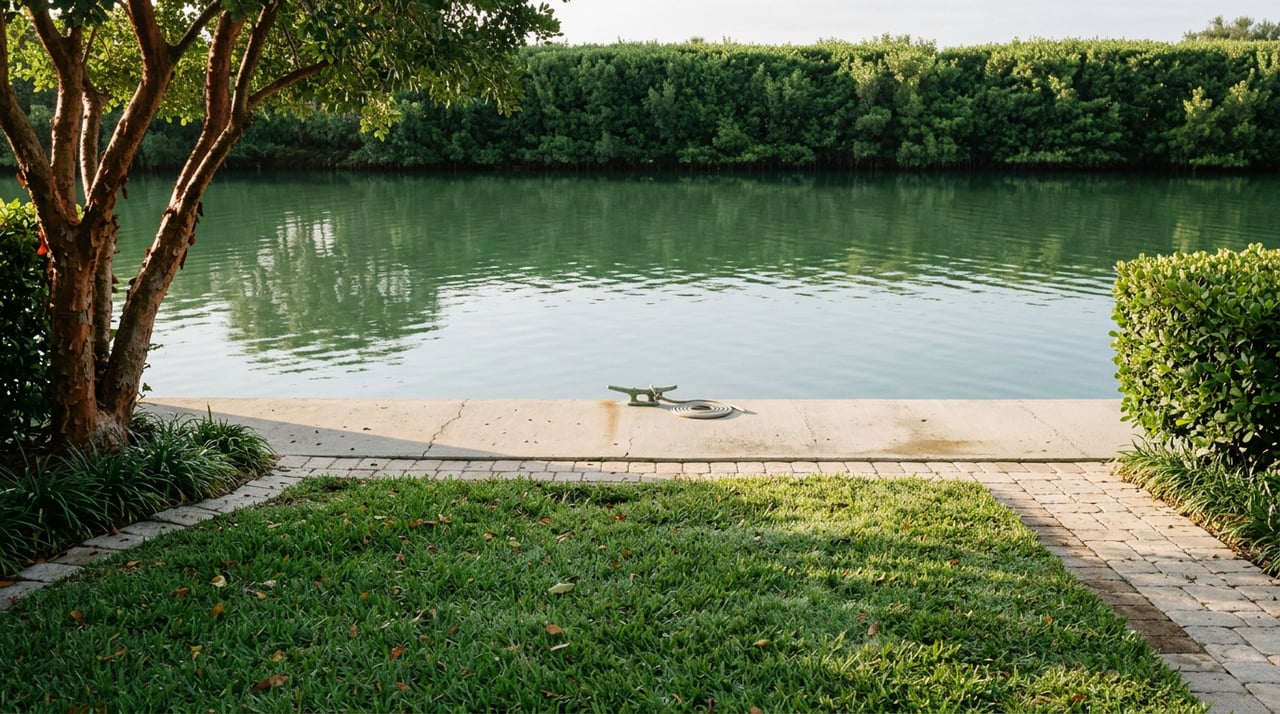
The New River waterfront is not only a visual highlight. It is part of how downtown functions. Riverwalk Fort Lauderdale describes the district as a linear park and downtown waterfront area with 10 parks, and the city’s mobility pages show that the river also supports water-based transportation.
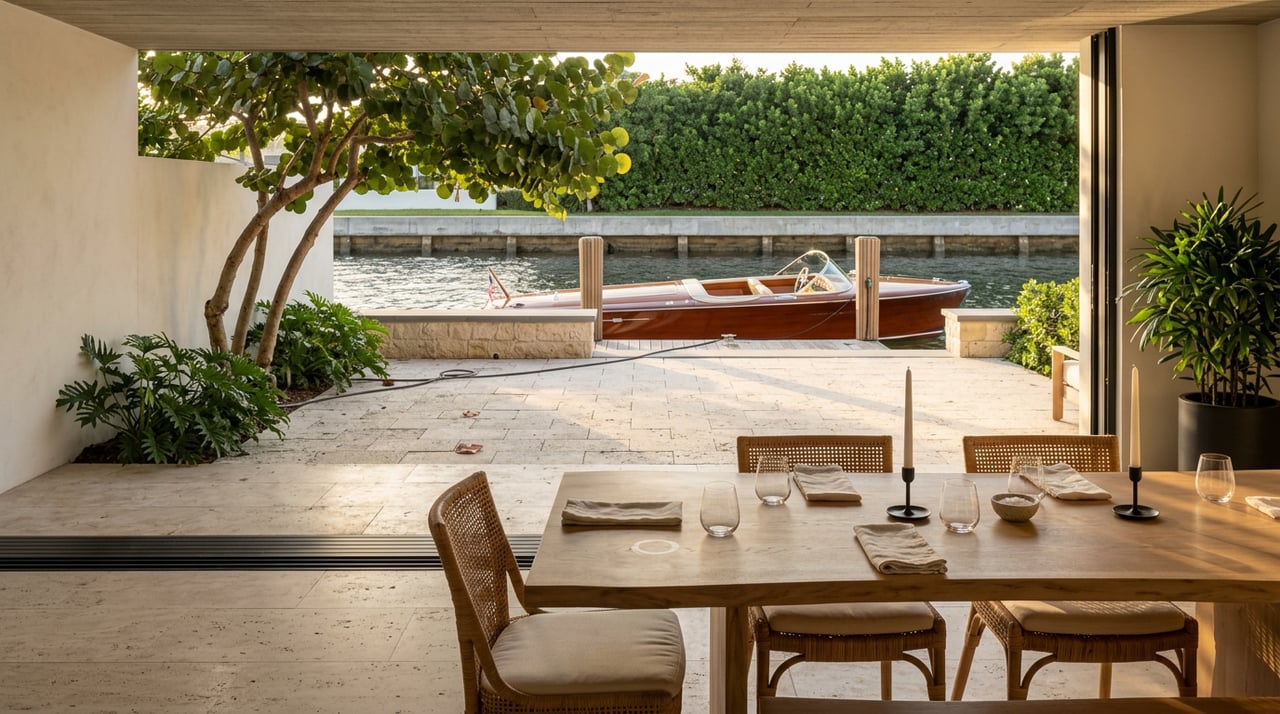
That makes a difference if you value a condo lifestyle built around movement, not just views. Living near Riverwalk can mean easier access to parks, cultural venues, waterfront paths, and water transit in the same part of downtown.
Transit options that reduce driving
Downtown Fort Lauderdale offers several public and city-supported mobility options that can help reduce private car use. Taken together, they make this one of the more flexible condo markets in the area for buyers who want to drive less.
Brightline for regional trips
The Fort Lauderdale Brightline station is located at 101 NW 2nd Avenue. The city identifies Brightline as a downtown passenger rail option connecting downtown Fort Lauderdale with downtown Miami and downtown West Palm Beach.
If you regularly travel within South Florida, this can be a major advantage. A condo near the station may make it easier to handle work meetings, leisure outings, or visits to nearby cities without getting on the highway.
Broward County Transit for everyday access
Broward County Transit serves about 410 square miles and connects Broward with both Miami-Dade and Palm Beach counties. The city also notes that the system links to Miami-Dade Transit, Palm Tran, and Tri-Rail.
For daily use, that broader network matters. Buses may not replace every trip, but they can expand your reach beyond the downtown core when you need to get to appointments, shopping areas, or other parts of the county.
LauderGO! shuttles and Micro Mover
Fort Lauderdale’s LauderGO! system includes five community shuttle routes: Beach Link, Las Olas Link, Downtown Link, NW Community Link, and Neighborhood Link. The city also offers Micro Mover, a free, on-demand electric service serving the Downtown Fort Lauderdale Urban Core, Las Olas, and Dorsey Riverbend, with connections that also link Flagler Village to Downtown, the Beach, Las Olas, MASS District, Parker Playhouse, and Broward Center.
For condo buyers, this is one of the most practical parts of the mobility picture. Free local service can make short trips easier and may reduce how often you feel the need to keep a car for nearby errands or social plans.
Water Trolley and Water Taxi
The free LauderGO! Water Trolley runs daily from 10 a.m. to 10 p.m. and serves eight stops along the New River. The city notes that typical wait times are about 20 to 30 minutes. It also identifies Water Taxi as another waterborne transit option throughout Broward County.
This is one of the features that makes Downtown Fort Lauderdale distinct. In the right location, the waterfront can be part of your transportation routine, not just your weekend backdrop.
Getting to the beach without a car
If beach access is part of your lifestyle goal, downtown gives you more than one option. The city’s transit guide says the free Las Olas Link connects Downtown Fort Lauderdale to Fort Lauderdale Beach via Las Olas.
The same guide also points to Beach Link, the Seabreeze Tram, B-Cycle, and BCT Route 11 as ways to support beach access without driving. For many condo buyers, that can be a meaningful quality-of-life benefit, especially if you want the energy of downtown and access to the beach without handling parking every time.
Bike and trail connections
The city’s LauderTrail plan is designed to connect parks, transit, businesses, and attractions through low-stress routes separated from traffic. According to the master plan, the system will connect to 270 businesses, 45 parks and green spaces, 12 schools, 35 neighborhoods, 12 Water Taxi stops, 17 bus routes, and 2 railroad stations.
That long-term connectivity matters even if you are not an everyday cyclist. It signals continued support for moving around the city without relying only on a private car.
Best condo locations for car-light living
Not every downtown condo will feel the same in daily life. The strongest fit for car-light living is usually a building with good access to several of the following at once:
- Riverwalk
- Las Olas Boulevard
- Brightline station
- LauderGO! shuttle service
- Water Trolley stops
- Downtown offices, library, and cultural venues
When these pieces are close together, daily routines become much simpler. If a condo sits farther from those nodes, the lifestyle may still be convenient, but you may rely more often on a car, rideshare, or occasional parking.
What buyers should verify before purchasing
If you are serious about living with less driving, location details matter more than the building brochure. Two condos may both market themselves as downtown, but one may support a much easier routine than the other.
Before you buy, verify:
- Walking distance to Las Olas and Riverwalk
- Distance to the Brightline station
- Access to LauderGO! routes or Micro Mover coverage
- Proximity to Water Trolley stops
- Convenience for your real daily needs, such as work, dining, errands, or cultural venues
This is especially important because the public evidence supports a car-light lifestyle more strongly than an absolute car-free promise. The city still maintains public parking facilities, which suggests that many residents continue to keep a car for guests, longer trips, or occasional suburban errands.
Is car-free living realistic?
For the right buyer, yes, but with a practical mindset. If your routine is centered on downtown destinations, the beach, rail travel, and nearby cultural or civic stops, a condo in the core can make daily driving feel optional much of the time.
That said, your experience will depend on your exact building and your personal habits. If you frequently travel outside the urban core or need to reach areas not well aligned with shuttle, bus, or rail options, you may find that a one-car or occasional-car lifestyle fits better than going fully without one.
Why this lifestyle appeals to condo buyers
Car-light living is about more than transportation. For many buyers, it also means less maintenance, fewer parking concerns, and a more connected day-to-day experience. You can focus more on where you want to spend your time and less on how much time you spend behind the wheel.
In Downtown Fort Lauderdale, that lifestyle is most compelling when you combine the right condo with the right routine. Buyers who value walkability, waterfront access, cultural venues, and easy regional connections often find the strongest match here.
If you want help comparing condo locations through the lens of daily convenience, transit access, and long-term lifestyle fit, Hasnaa Boutros PA can help you evaluate which Downtown Fort Lauderdale buildings truly support the way you want to live.
FAQs
Can you live without a car in Downtown Fort Lauderdale?
- Yes, a car-light or even car-free routine can be realistic if you choose a condo near Riverwalk, Las Olas, Brightline, and city shuttle service, and if most of your daily needs are centered in the downtown core.
Which part of Downtown Fort Lauderdale is best for car-light condo living?
- The strongest area is generally the compact downtown core around Riverwalk, the New River, Las Olas Boulevard, and the Brightline station, where destinations and mobility options are most concentrated.
How do Downtown Fort Lauderdale condo residents get to the beach without driving?
- The city identifies the free Las Olas Link, Beach Link, Seabreeze Tram, B-Cycle, and BCT Route 11 as options that can help residents reach Fort Lauderdale Beach without using a private car.
Does every downtown condo support a car-free lifestyle equally well?
- No. Public planning information suggests downtown works best as a series of connected destination clusters, so the ease of living without a car depends heavily on the building’s exact location.
What transit options are available near Downtown Fort Lauderdale condos?
- Options include Brightline, Broward County Transit buses, LauderGO! community shuttles, the free on-demand Micro Mover, the free Water Trolley, and Water Taxi service.
What should condo buyers check before choosing a car-light building in Downtown Fort Lauderdale?
- Buyers should verify the condo’s proximity to Riverwalk, Las Olas, Brightline, shuttle routes, water transit, and the places they expect to visit most often in daily life.