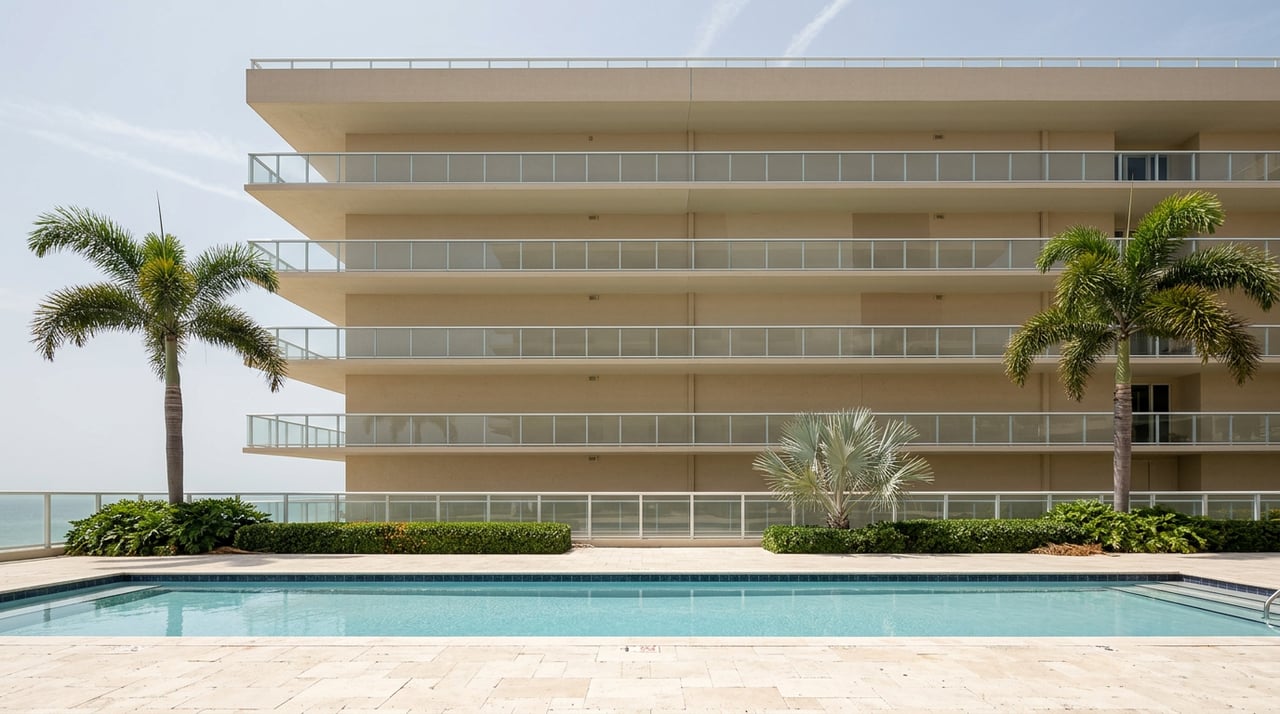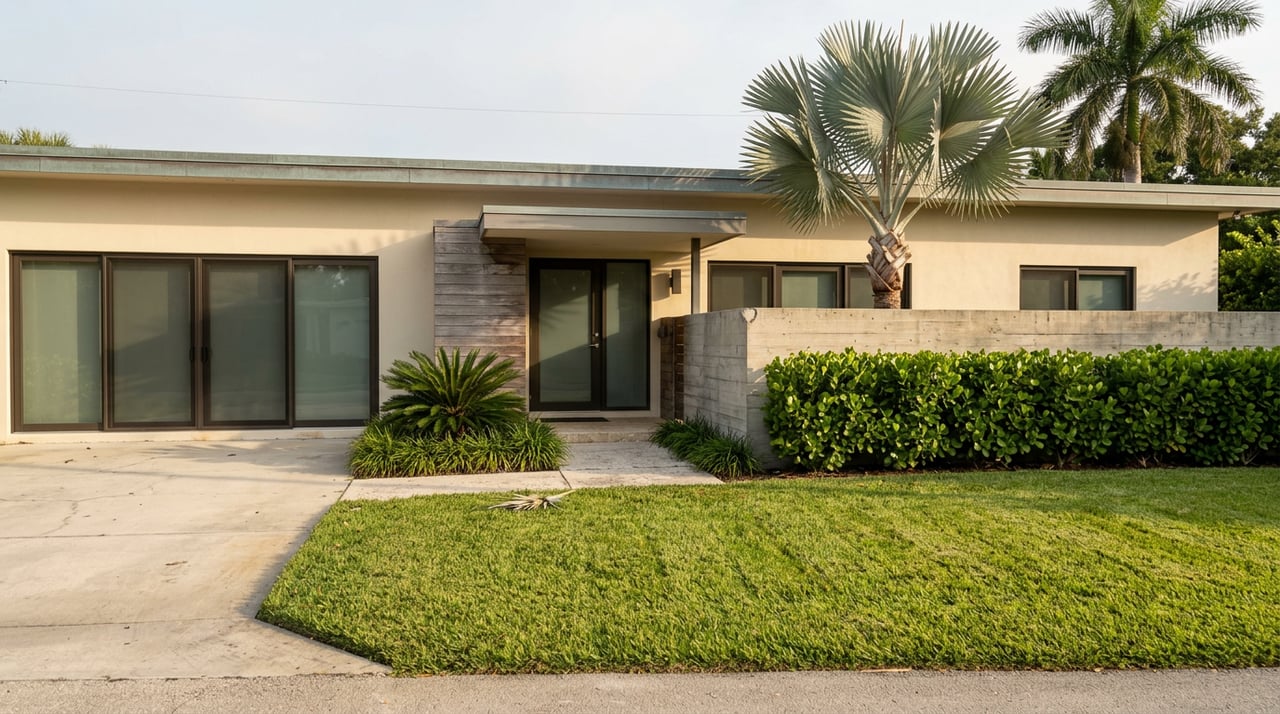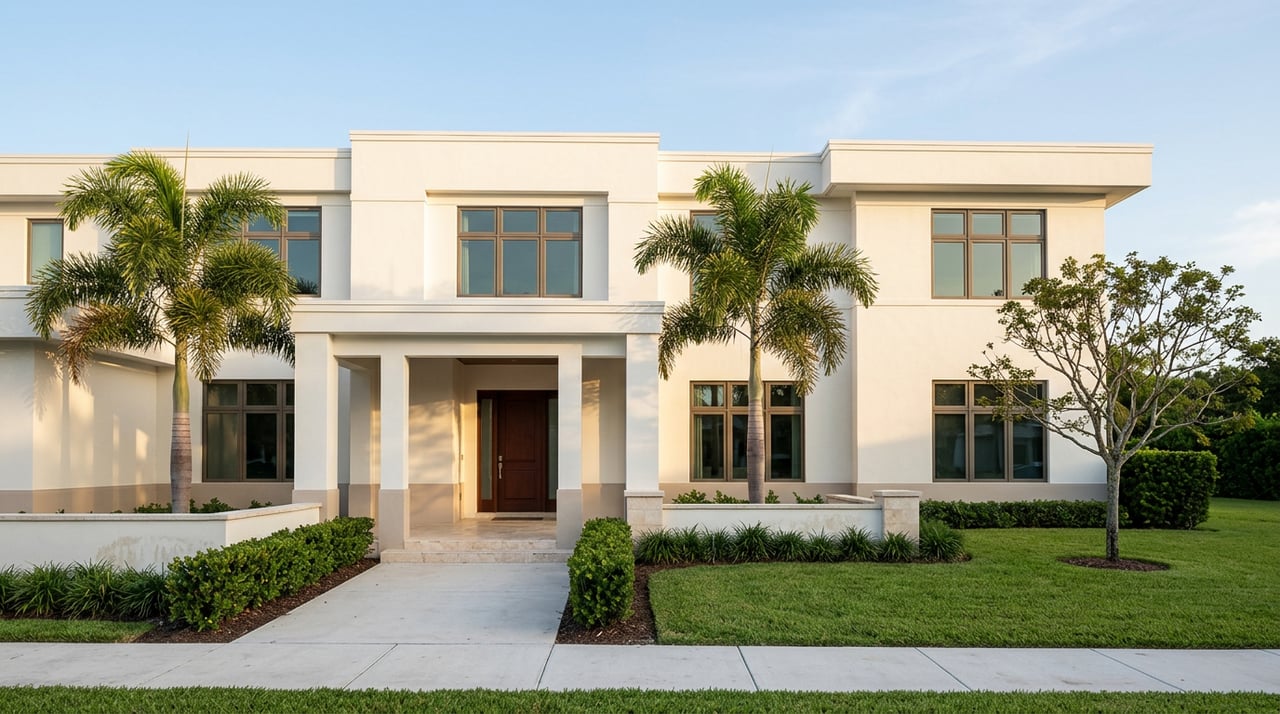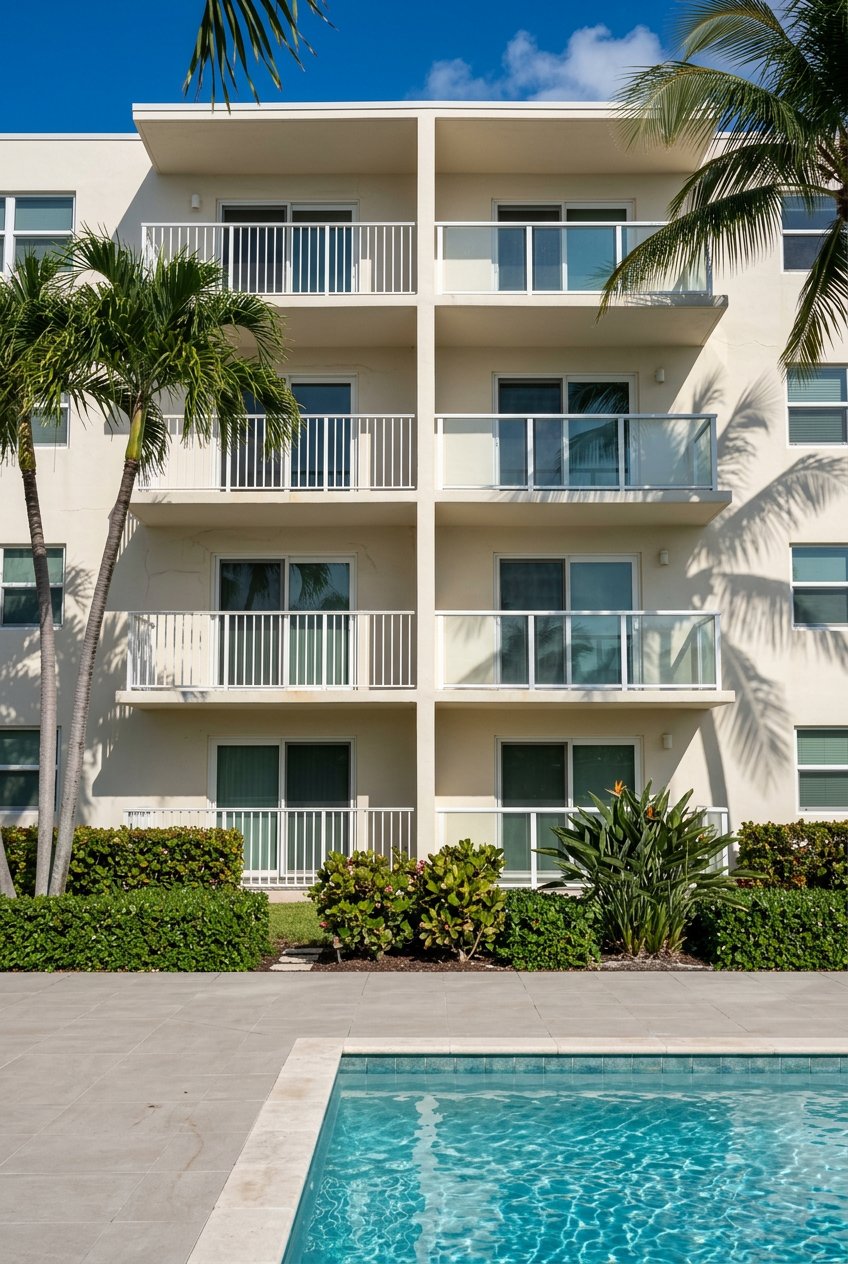
Are you torn between the shine of a brand‑new tower and the value you can find in a classic beachfront condo? You are not alone. Pompano Beach offers both resort‑style new builds and established buildings with great locations, and each path comes with different costs and risks. In this guide, you will learn how to compare price, amenities, HOA dues, reserves, inspections, insurance, financing, and resale potential so you can choose with confidence. Let’s dive in.
Pompano condo market snapshot
Pompano Beach is seeing an active mix of older resales and new luxury launches. Local monthly updates report more inventory and some softening in condo segments through mid‑2025, which can affect pricing power and time on market for older buildings. You can use local market reporting to gauge short‑term trends and negotiability as you shop. See the June 2025 update for context on inventory and pricing patterns in the city’s condo market from a local brokerage.
Purchase price and resale outlook
New oceanfront developments in Pompano, such as Related Group’s Casamar, often sell at a premium because of modern layouts, views, and hotel‑level services. Casamar has been cited in developer financing reports and local coverage, showing how these luxury towers command higher per‑square‑foot pricing than older inventory in the same area. For a sense of the “new build” profile and why it prices higher, review recent coverage of Casamar’s financing on a development trade site and W Pompano’s resort‑style concept in local news.
Older resale condos can offer a lower entry price and more room to negotiate, especially if a segment has higher inventory. The tradeoff is liquidity risk if the building faces financing challenges or large repair programs. Pay close attention to building inspections, reserves, and lender eligibility. Those items can directly affect the buyer pool and your future resale timeline.
Amenities and monthly HOA dues
New towers typically bundle extensive amenities and services: multiple pools, spa and wellness spaces, club rooms, beach attendants, valet, and dedicated concierge or hotel services. These elevate lifestyle and convenience but also raise operating expenses, which show up in higher monthly HOA dues. W Pompano is a helpful example of a branded, resort‑style offering that illustrates why newer product often carries larger baseline dues, as covered in local reporting.
Older buildings usually have simpler amenity packages and can come with lower dues if well managed and adequately reserved. Be careful with “low dues” that do not fund long‑term repairs. In Florida, owners have seen HOA costs climb in recent years due to insurance, new reserve rules, and inflation in services, as covered by consumer finance reporting. Always review the line‑item budget to see what your dues include and how much goes to reserves.
Reserves, SIRS and milestone inspections
Florida law requires condominium budgets to include reserve accounts for capital expenditures and deferred maintenance, and it dictates how those reserves are calculated and restricted. The Structural Integrity Reserve Study, or SIRS, and related reserve funding requirements became stricter after the Surfside tragedy, and they now play a major role in HOA budgets. You can review the reserve and budgeting requirements in Florida Statutes §718.112.
Separately, the state’s milestone‑inspection program mandates structural inspections for buildings that are at least three habitable stories on a set timeline. In coastal areas, inspections can be required earlier. These inspections may lead to repair programs and special assessments. Learn more about milestones in Florida Statutes §553.899.
Broward recertification and local compliance
Broward County operates a Building Safety Inspection and recertification program that works alongside state milestones. As a buyer, you should confirm whether the building has current recertification or milestone reports on file and whether any corrective work or permits are outstanding. Municipal pages outline timing and process. A useful reference point is the Building Safety Inspection Program page for Tamarac, which reflects county practices and timing for neighboring cities too. Review the county program overview via this municipal page.
Insurance pressures that shape dues
Condo association master insurance is a large line item in every building budget, and Florida’s insurance market has been shifting. The Florida Office of Insurance Regulation reports new market entries and regulatory changes that influence pricing and availability, which can directly impact HOA dues and special assessment risk. Before you buy, ask for the association’s certificate of insurance and recent premium history. For market context, see the regulator’s insurance market update.
Financing and lender “warrantability”
Even if you qualify for a loan, many lenders must review the entire condo project for eligibility before approving conventional or FHA financing. Fannie Mae, Freddie Mac, and FHA look at reserves, insurance, occupancy, commercial space, litigation, investor concentration, developer control, and unfunded repairs. Projects with ineligible status or unresolved issues may require larger down payments or portfolio loans, which can shrink the buyer pool and affect resale. Ask your lender early to review project status using Fannie Mae’s guidance and systems outlined in this project‑review resource.
Older buildings: common repair themes
If you lean toward an older condo, plan your due diligence around typical coastal building issues. These can include concrete spalling and balcony waterproofing, roof replacements, building‑envelope leaks, parking or garage repairs, elevator modernization, and major mechanicals. Many of these items appear in SIRS and milestone reports and can lead to multi‑year repair programs.
There is also a defined legal process in Florida for construction‑defect claims known as Chapter 558. Associations and claimants must follow this pre‑suit notice and repair process before litigation, which can affect timelines and potential liabilities. If your target building has recent repair notices or legal action, ask for documentation and consult your attorney. You can read a legal overview of Chapter 558 in this summary.
Total cost of ownership: a simple model
To compare a new condo and an older one fairly, look beyond list price. Build a monthly total cost that includes:
- Mortgage principal and interest
- HOA dues, noting what services and reserves are included
- HO‑6 unit insurance
- An estimated monthly share of any known or likely special assessment
- Utilities, parking, and any service fees
- Property taxes divided by 12
This view helps you see whether a lower‑priced older unit with possible assessments costs more each month than a higher‑priced new unit with larger dues but fewer near‑term repairs. Always back your estimate with the building’s actual budget, reserve study, inspection findings, and insurance history. Florida reserve rules outline what associations must fund in their budgets, which you can review in §718.112.
Due diligence checklist for any Pompano condo
Before you make an offer, request these items from the seller and association. Review them with your advisor and lender.
- HOA budget and recent financials. Confirms reserve contributions and cash flow. See reserve and budgeting rules in §718.112.
- Structural Integrity Reserve Study and latest milestone report. Shows near‑term capital needs and compliance. Learn milestone basics in §553.899.
- Broward recertification status and any open permits or violations. Non‑compliance can lead to fines or urgent repairs. Check county program context via this municipal overview.
- Association insurance certificate and premium history. Look for carrier changes or large spikes. See statewide market context from the regulator’s update.
- Board meeting minutes for the past year and, if possible, 2 to 3 years. Watch for discussions of assessments or deferred maintenance.
- Litigation or Chapter 558 notices. Active disputes can limit financing. See a legal overview here.
- Owner‑occupancy, leasing rules, and actual rental mix. These affect lender eligibility and resale. Ask your lender to review project rules against Fannie Mae’s criteria.
- For new or pre‑construction purchases: developer warranties, turnover timing, and disclosure package. Confirm whether the project is on track for GSE or FHA approval and any required presales.
- Flood‑elevation data and a flood‑insurance quote. Flood premiums can be a meaningful recurring cost in coastal buildings.
When new is the better fit
Choose new construction if you want modern finishes, new mechanical systems, and robust amenities, and you are comfortable with higher purchase price and larger dues for a lower near‑term repair risk. Branded and resort‑style towers like W Pompano illustrate how services can elevate day‑to‑day living. Just be sure the lifestyle premium aligns with how you will use the property.
When older is the better fit
Consider an older building if you value a lower entry price and are open to doing cosmetic updates inside your unit. Older condos can deliver excellent locations and views, but you need to underwrite reserves, inspection findings, and insurance trends with discipline. That clarity helps you avoid surprise assessments and choose buildings with solid governance.
Make your move with confidence
Every building tells a story. If you compare amenities, dues, reserves, inspection status, insurance, and financing early, you can match your lifestyle and budget without surprises. If you want a clear, data‑driven plan tailored to your goals in Pompano Beach, connect with Hasnaa Boutros PA for buyer representation and a building‑by‑building review.
FAQs
What should you review before buying a Pompano Beach condo?
- Ask for the HOA budget and financials, SIRS and milestone reports, insurance certificate and premium history, board minutes, litigation or Chapter 558 notices, recertification status, and occupancy and leasing rules. Use these to gauge reserves, repair risk, and financing eligibility.
How do Florida’s new condo reserve rules affect owners?
- Florida requires associations to fund reserves for key structural items and to follow SIRS guidance, which can raise dues but reduces the chance of underfunded repairs. See reserve and budgeting requirements in §718.112.
What is a milestone inspection and why does it matter?
- A milestone is a state‑mandated structural inspection for taller buildings on a set schedule. Findings can trigger repairs and special assessments, so reviewing the latest report is critical. Learn more in §553.899.
How does condo project eligibility affect your loan?
- Lenders review the entire project for reserves, insurance, occupancy, litigation, and more. If a project is ineligible, you may need a larger down payment or a portfolio loan, which can also affect resale demand. Ask your lender to check Fannie Mae’s project‑review standards.
Do new condos always have higher HOA fees than older ones?
- Not always, but newer, amenity‑rich towers often carry higher dues because they include more services and staffing. Older buildings may have lower dues, but if reserves are underfunded, owners can face special assessments that raise total cost.
What local compliance item is unique to Broward buyers?
- Broward’s Building Safety Inspection and recertification program works with state milestone rules. Confirm your building’s recertification status and any open corrective items to avoid surprises after closing.