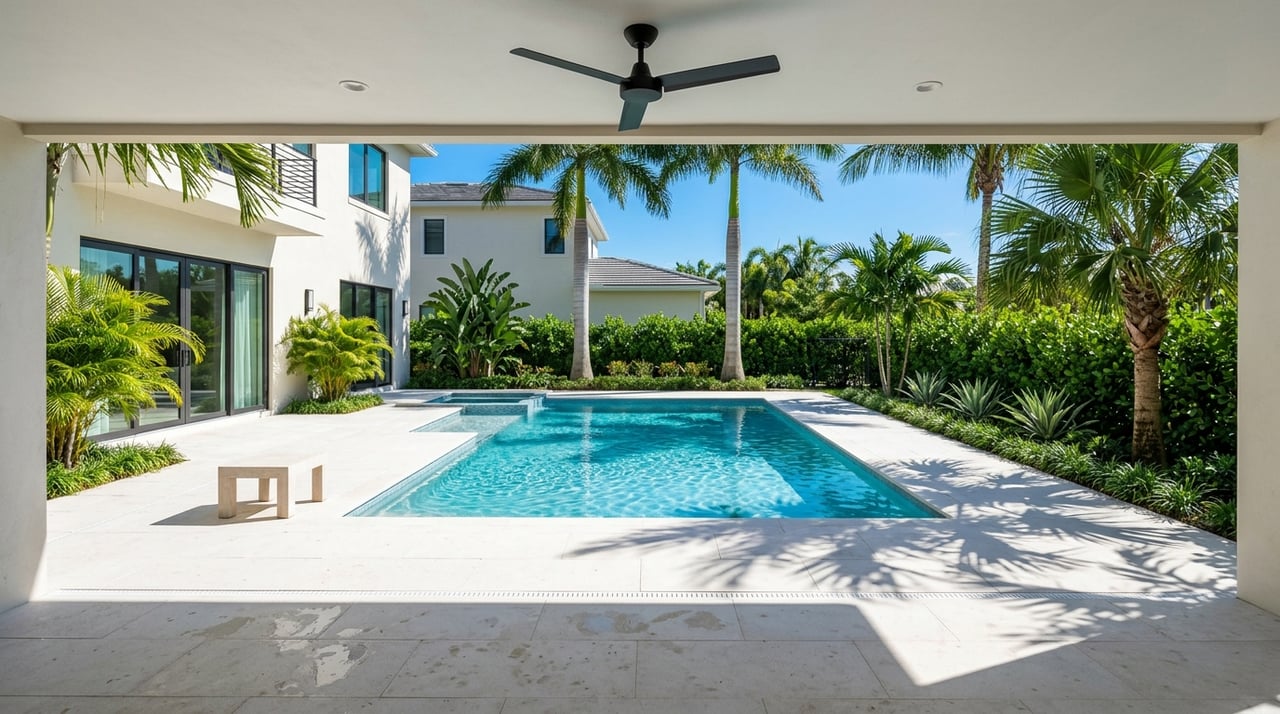
If you are wondering what day-to-day life in Parkland really feels like, the short answer is this: it is a suburban community shaped by parks, recreation, and a steady residential rhythm. You may be looking for a place that feels established, active, and well-organized without the pace of a dense urban center. This guide will help you picture what everyday life in Parkland, Florida is like, from routines and recreation to community events and the general lifestyle you can expect. Let’s dive in.
Parkland at a glance
Parkland is located in the northwest corner of Broward County and has a distinctly residential feel. The city reports a community of about 35,000 residents, while Census QuickFacts places the July 1, 2025 estimate at 39,186.
The numbers help explain the lifestyle. About 30.3% of residents are under 18, 85.1% of homes are owner-occupied, and the average household has 3.33 people. Median household income is $198,669, and the median value of owner-occupied homes is $983,000.
That data points to a stable, established community with a strong long-term ownership base. It also suggests that many residents choose Parkland for everyday living, not just for short-term convenience.
Daily life feels suburban and structured
Parkland is not defined by a busy downtown or a nightlife-centered scene. Instead, the city’s daily rhythm is shaped more by home life, driving routines, recreation schedules, and local events.
The mean commute time is 32.5 minutes, which supports a car-oriented lifestyle. In practical terms, your day may revolve around school drop-offs, work commutes, errands, practices, park visits, and planned community activities rather than walking from one commercial destination to another.
That pace can feel especially appealing if you want space, routine, and a more predictable environment. Parkland’s layout and programming support a lifestyle that is active but not hectic.
Parks play a big role
One of the clearest signs of everyday life in Parkland is how much the city emphasizes parks and recreation. The city’s Parks and Recreation department highlights recreational, cultural, educational, and athletic activities for all ages.
Parkland’s official park system includes 6 Acre Wood Park, Barkland Dog Park, Covered Bridge Park, Doris Davis Forman Wilderness Preserve, the Equestrian Center at Temple Park, John H. Quigley Park, Liberty Park, Pine Trails Park, Terramar Park, Veteran’s Park, and Wedge Preserve Park. That variety gives residents multiple options for outdoor time throughout the week.
The city also maintains Parkland Pathways, which are open from sunrise to sunset. These scenic paths and trails include paved routes, parks, parking, views, and other amenities, making them part of the daily routine for people who want fresh air, walking space, or a more active lifestyle.
Pine Trails Park is a local hub
If one place captures the everyday feel of Parkland, it is Pine Trails Park. This is one of the city’s main activity centers and a space that supports both casual visits and organized recreation.
Pine Trails Park includes walking trails, a fishing pier, Life Trails fitness equipment, seven multipurpose fields, four baseball fields, basketball courts, playgrounds, pavilions, and open space. The park also houses the Parks and Recreation Department, which adds to its role as a central gathering place.
The city also notes a monthly concert series and multiple special events on the park stage. That means Pine Trails is not only for sports or exercise. It is also a place where residents come together for community programming throughout the year.
Recreation is part of the routine
Parkland offers more than just green space. The city’s recreation system includes athletics, field rentals, park rangers, pavilion rentals, classes, special events, summer camps, volunteer opportunities, and online registration through WebTrac.
This matters because it shapes how everyday life feels. In many communities, recreation is occasional. In Parkland, it appears to be built into the local routine through regular programming for toddlers, youth, teens, adults, and seniors.
The Parkland Recreation and Enrichment Center, often called P-REC, is a major part of that picture. This 24,700-square-foot air-conditioned facility includes a full-court basketball gymnasium with a stage and bleachers, a dance room, and multi-purpose rooms, and it serves as the heart of Pine Trails Park.
Programming spans all ages
If you want a community where activities are not limited to one age group, Parkland stands out. P-REC is home to more than 100 programs for toddlers, youth, teens, adults, and seniors.
The broader Parks and Recreation system also lists senior and active adult programming, fitness offerings, and enrichment opportunities. That gives Parkland a lifestyle pattern that supports year-round engagement, not just seasonal events or youth sports.
For many buyers, that can be a practical quality-of-life advantage. It suggests there are structured ways to stay active, involved, and connected across different stages of life.
The equestrian influence is real
One feature that gives Parkland a distinct identity is the Equestrian Center at Temple Park. It is open from 7:00 a.m. to sunset and includes barbecue grills, concessions, open space, a pavilion, and restrooms.
The city says neighboring horsemen and the Parkland Horseman’s Association use its two equestrian rings. Even if you are not involved in equestrian activities yourself, this facility adds a visible layer to Parkland’s character and helps set it apart from many other suburban communities in Broward County.
It also reinforces the city’s outdoor and open-space orientation. Rather than feeling built around a commercial entertainment core, Parkland feels more connected to recreation, gatherings, and a quieter residential setting.
Seasonal events add community rhythm
Parkland’s calendar includes recurring events that help shape the local experience. The city highlights programming such as one of Broward County’s largest farmers’ markets, Halloween Festival, Movies in the Park, Snowfest, and Community Carnival.
Some events require advance registration at P-REC or online, which shows how organized and participation-driven the city’s event structure is. These are not random pop-up happenings. They are part of a consistent community pattern.
The Parkland Farmers’ Market is another example. It takes place from November through April in the open space next to the Equestrian Center at Temple Park and features fresh and organic produce, flowers, breads, pastries, baked goods, and gourmet items like jam, honey, dips, sauces, fresh pasta, cheese, and pickles.
For many residents, that kind of recurring event becomes part of a weekend routine. It adds another layer to daily life that feels local, practical, and community-centered.
Parkland is active, not urban
One of the most useful ways to think about Parkland is to compare its lifestyle pattern with a more urban environment. If you want a place where daily life revolves around a busy commercial district, late-night entertainment, or a walk-everywhere setup, Parkland may feel quieter and more spread out.
If, on the other hand, you prefer a community where the pace is driven by homeownership, outdoor spaces, scheduled activities, and neighborhood routines, Parkland may feel like a strong fit. The city’s housing profile, commute patterns, and recreation system all support that impression.
This does not mean life in Parkland is slow or inactive. It means the activity is centered on parks, pathways, classes, sports, and community events rather than an urban core.
A few practical details to know
Small details can also affect daily living. One example is the city’s dog policy.
Dogs are prohibited in all parks except Barkland Dog Park and the Equestrian Center at Temple Park. If you have a pet, that is a useful day-to-day detail to understand before planning outdoor time.
Parkland also reflects a multicultural community. Census QuickFacts reports that 21.0% of residents are foreign-born, and 25.8% of people age 5 and older speak a language other than English at home. That adds to the city’s broader sense of diversity within a suburban setting.
What everyday life in Parkland comes down to
At its core, everyday life in Parkland, Florida is about space, routine, recreation, and community programming. The city’s profile points to a high-homeownership, residential environment where many people are putting down long-term roots.
You are likely to notice a lifestyle built around driving, planning, outdoor amenities, and city-supported activities. You are also likely to see that Parkland offers a more relaxed suburban rhythm than places built around dense retail or nightlife.
If you are thinking about buying in Parkland or comparing Broward County communities, understanding the day-to-day feel is just as important as reviewing home prices or inventory. If you want guidance grounded in local knowledge and a clear, consultative approach, Hasnaa Boutros PA can help you evaluate whether Parkland fits your lifestyle and long-term goals.
FAQs
What is daily life in Parkland, Florida like?
- Daily life in Parkland is generally suburban, car-oriented, and centered on home life, parks, recreation programs, and community events rather than a dense downtown or nightlife scene.
Is Parkland, Florida a community with many families?
- The data suggests a strong family presence, with 30.3% of residents under 18 and an average household size of 3.33 people.
What parks and outdoor spaces are available in Parkland?
- Parkland has a broad park system that includes Pine Trails Park, Terramar Park, Liberty Park, Veteran’s Park, Barkland Dog Park, Doris Davis Forman Wilderness Preserve, the Equestrian Center at Temple Park, and other city parks and pathways.
What makes Pine Trails Park important in Parkland?
- Pine Trails Park is a major local hub with trails, sports fields, courts, playgrounds, fitness equipment, a fishing pier, open space, and community events, and it also houses the Parks and Recreation Department.
Are there activities for adults and seniors in Parkland?
- Yes. The city lists adult, senior, active-adult, fitness, and enrichment offerings through P-REC and the Parks and Recreation system.
Can you bring dogs to parks in Parkland?
- Dogs are allowed only at Barkland Dog Park and the Equestrian Center at Temple Park, not in the city’s other parks.
Does Parkland have a farmers’ market?
- Yes. The Parkland Farmers’ Market runs from November through April near the Equestrian Center at Temple Park and features produce, baked goods, flowers, and specialty food items.